Empowering Women & Youth for Sustainable Livelihoods (EWAY-SL)
Advancing Inclusive Skills Development and Economic Resilience in Khyber Pakhtunkhwa
Implemented by : Pakistan Empowerment & Development Organization (PEDO)
In Collaboration with : Brilliance Learning & Development Center (BLDC) and Noor Learning College (Vocational Training Center), Noor Education Trust, Mera Ghar Sheltor(GBV Survivors) &Hashoo School of Hospitality Management (HSHM)
Technical Alignment:
National Vocational & Technical Training Commission (NAVTTC), Technical Education & Vocational Training Authority (TEVTA), and Trade Testing Board (TTB) Secretariat
Project Overview
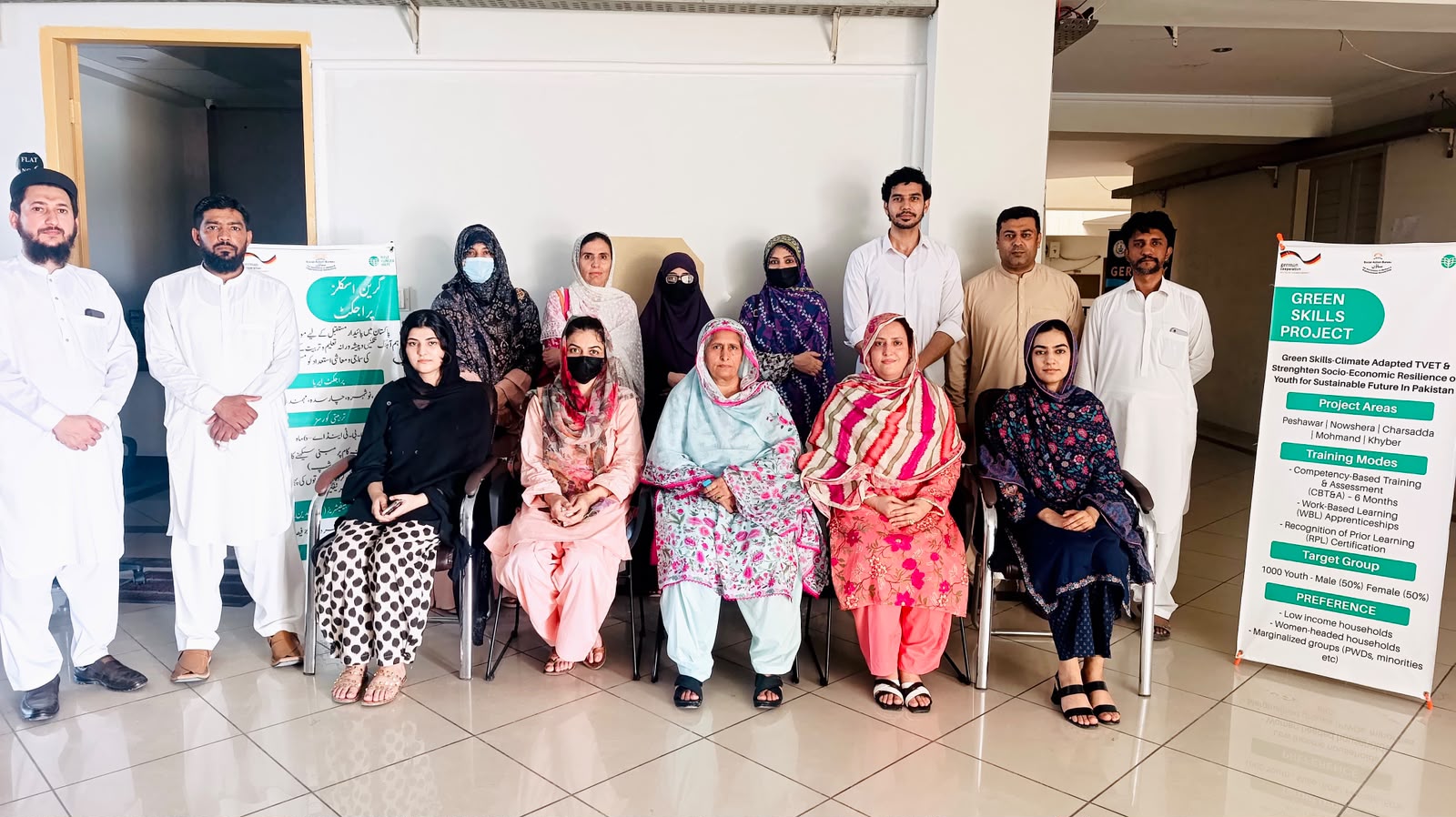
The Empowering Women & Youth for Sustainable Livelihoods (EWAY-SL) project represents a strategic, community-centered intervention implemented by PEDO to address the persistent challenges of youth unemployment, gender inequality, and limited access to quality technical and vocational education in underserved areas of Peshawar, Khyber Pakhtunkhwa.
Over a period of one year, the project was designed to equip marginalized women and youth with market-relevant skills, enabling them to transition from vulnerability to productivity. Anchored in PEDO’s commitment to inclusive development, the initiative aligned closely with Sustainable Development Goals (SDGs) 4 (Quality Education), 5 (Gender Equality), 8 (Decent Work and Economic Growth), and 10 (Reduced Inequalities).
The project successfully integrated skills training, certification, employment facilitation, and entrepreneurship support into a cohesive model that responds to both community needs and labor market demands.
Project Objectives
The primary objective of the project was to enhance the employability and economic resilience of marginalized populations, particularly women and youth. This was pursued through the provision of certified, demand-driven vocational training, coupled with pathways to employment and self-employment. The project further aimed to strengthen linkages between underserved communities and national skill development systems, ensuring that beneficiaries could access and benefit from government-led initiatives.
Geographical Focus and Beneficiaries
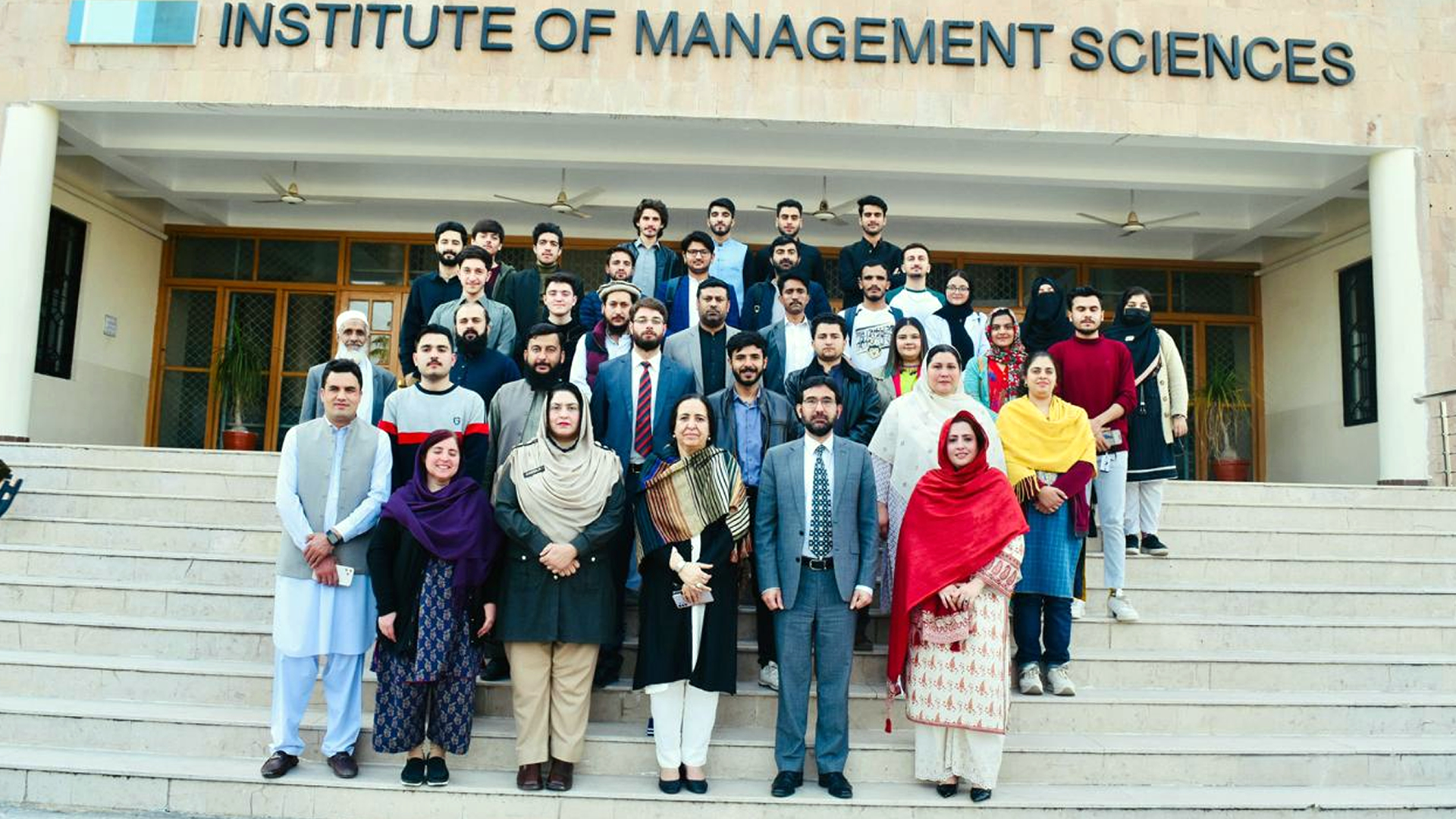
The project targeted some of the most underserved and vulnerable communities in Peshawar, including Matano, Sokano, Ormuro, Mashokhel, and residents of Mera Ghar Shelter Home, particularly survivors of gender-based violence.
A total of 230 beneficiaries were enrolled in the program, with women constituting 55 percent of participants. The initiative prioritized inclusion of economically disadvantaged youth, school dropouts, and marginalized women, ensuring equitable access to opportunities for those most in need.
Intervention Design and Implementation
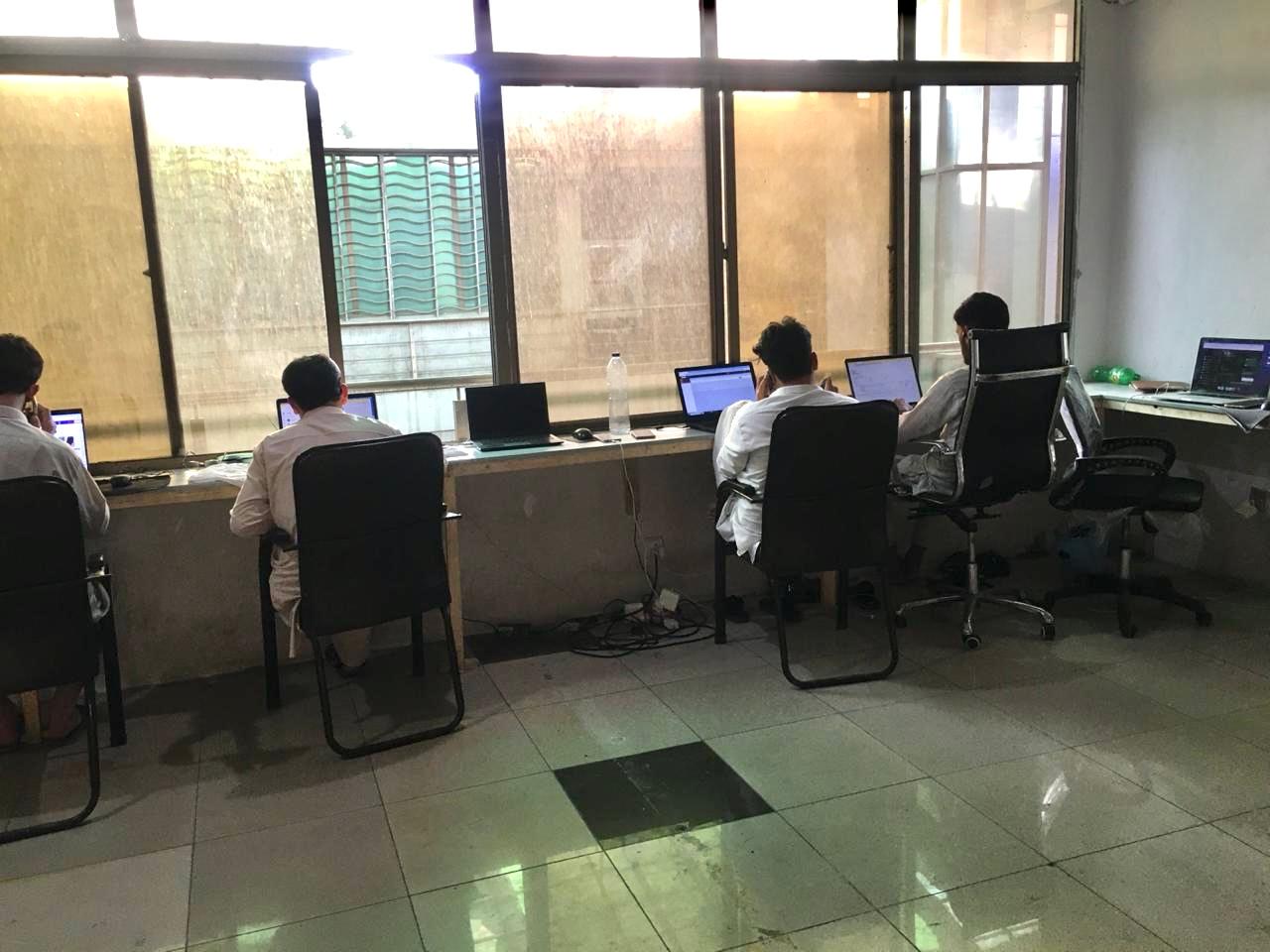
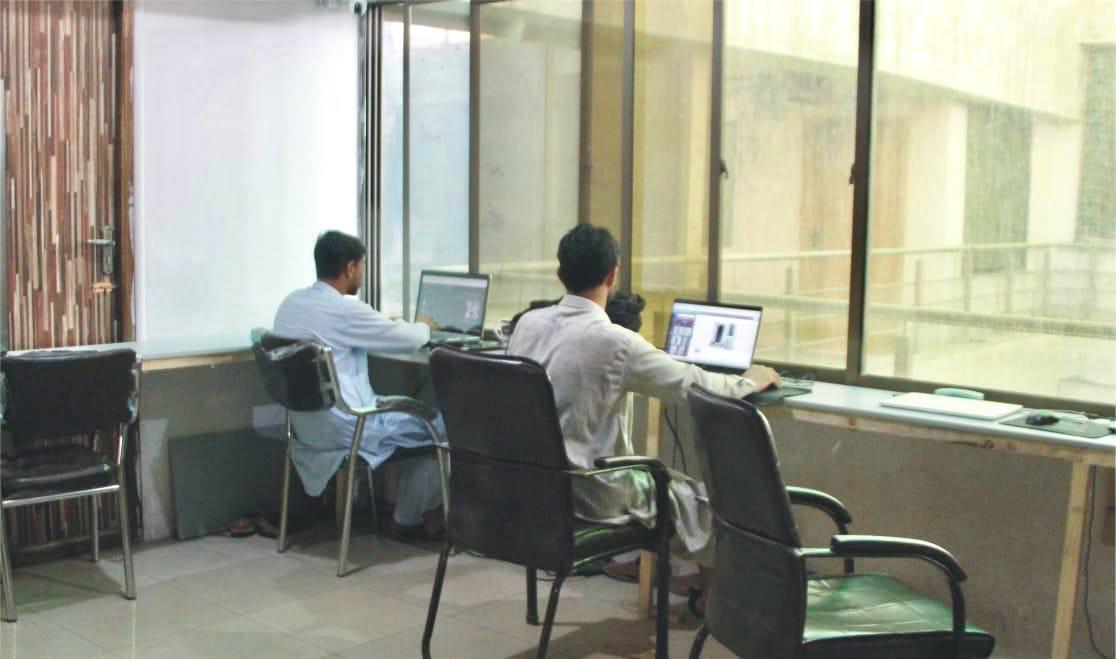
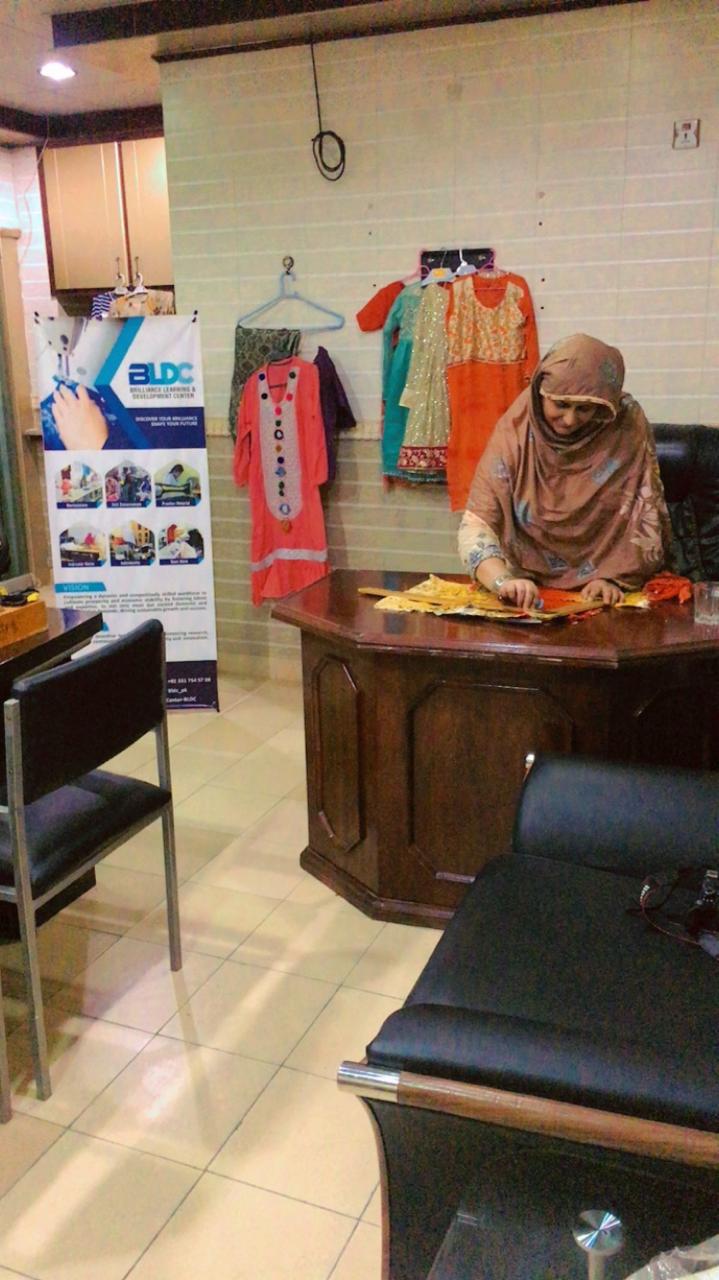
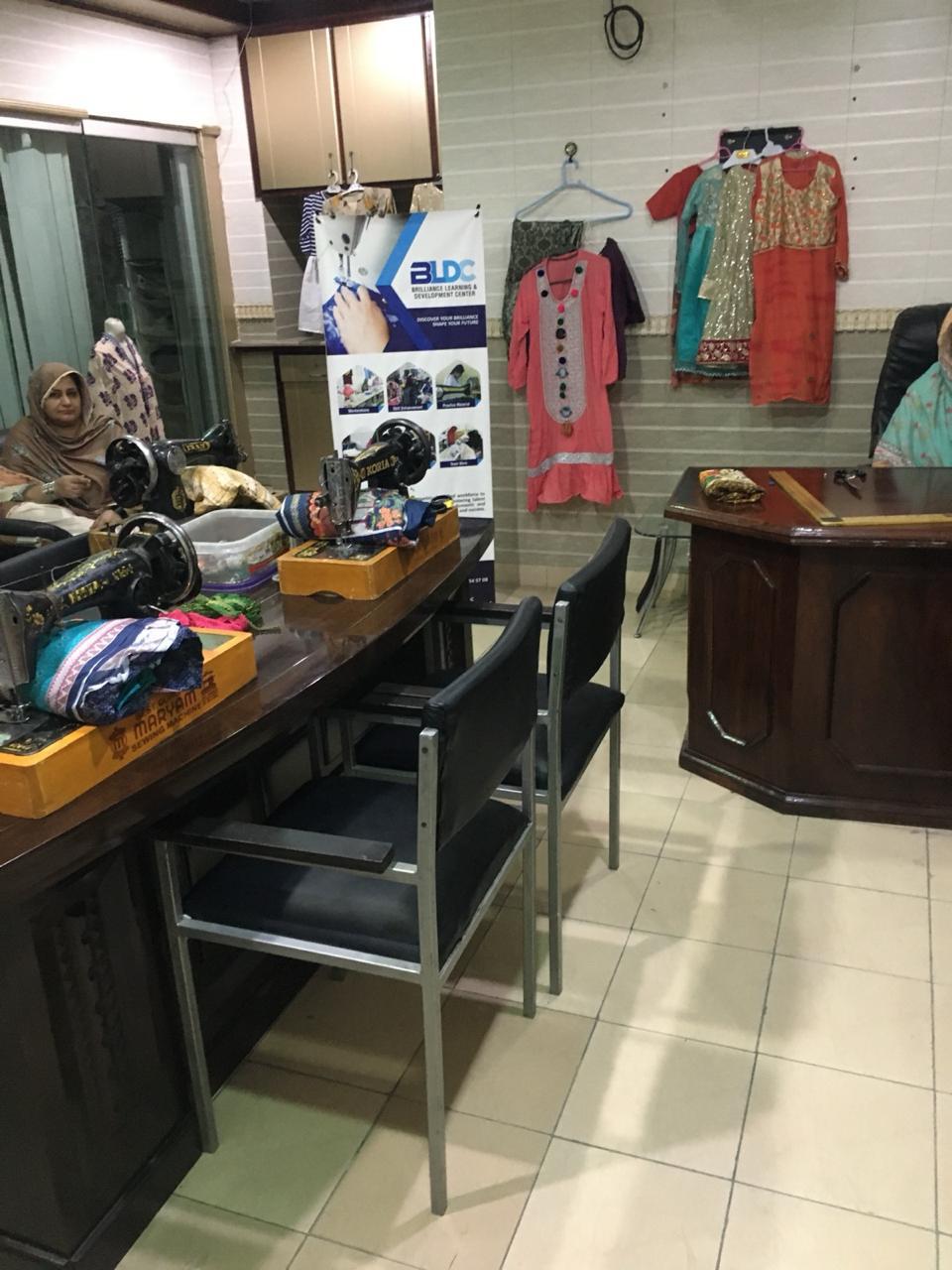
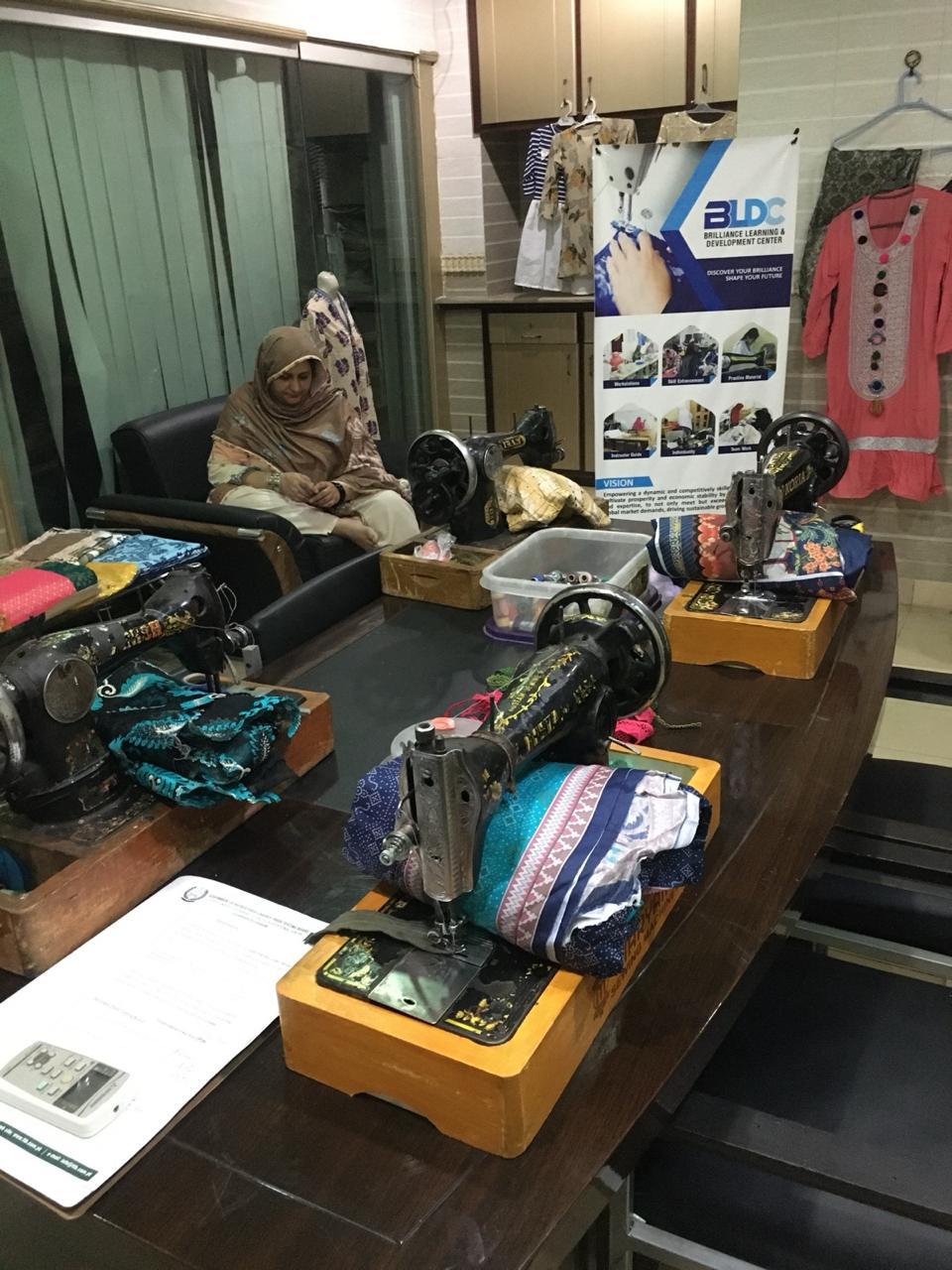
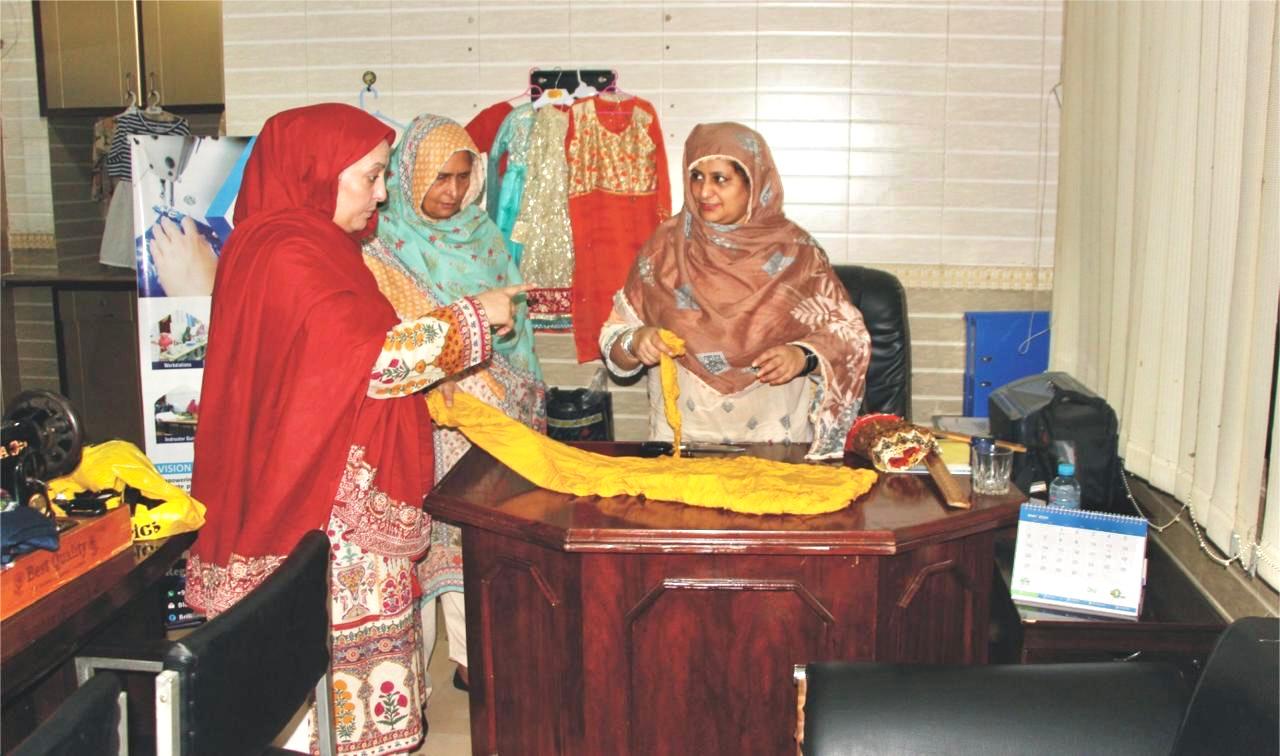
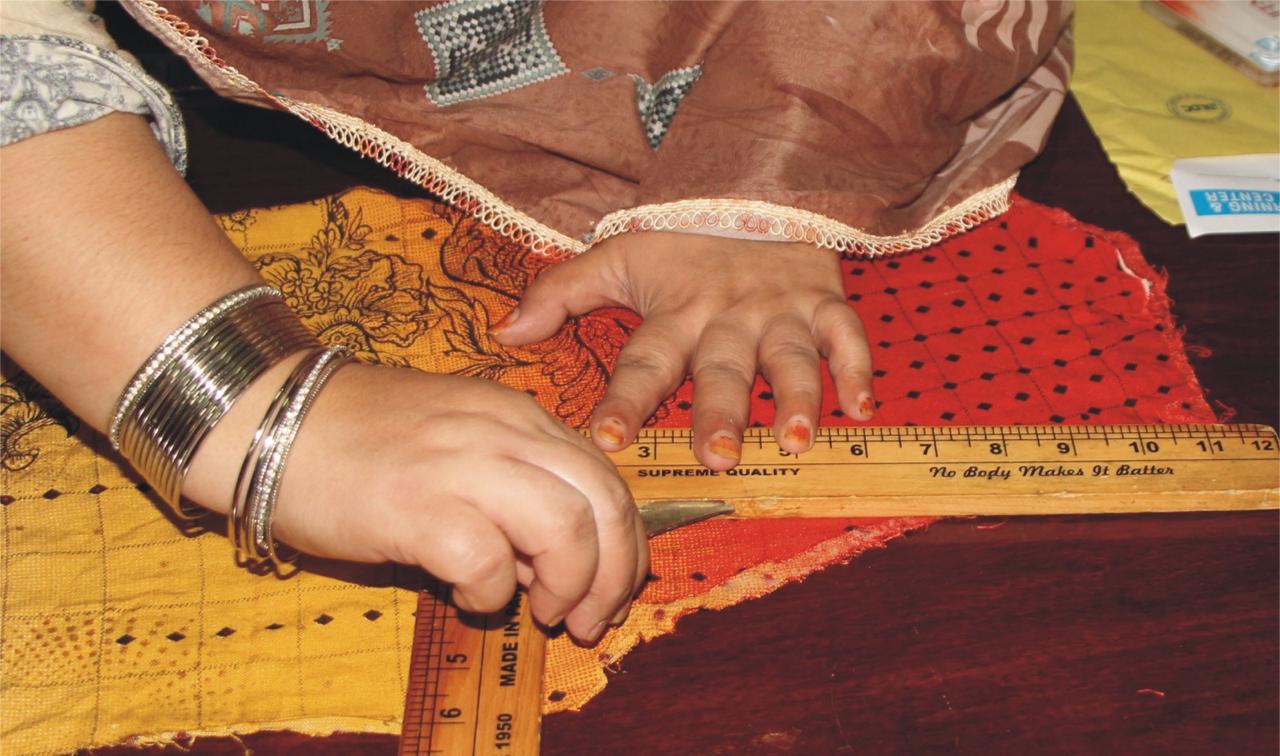
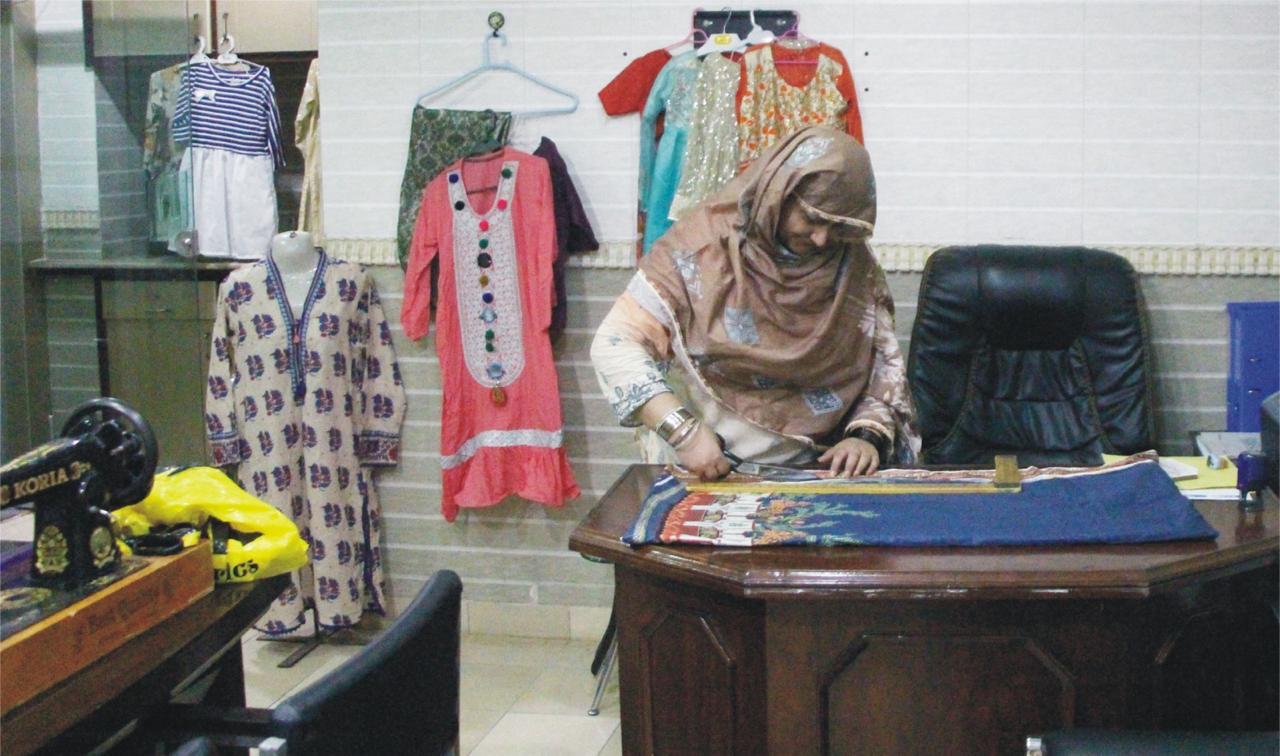
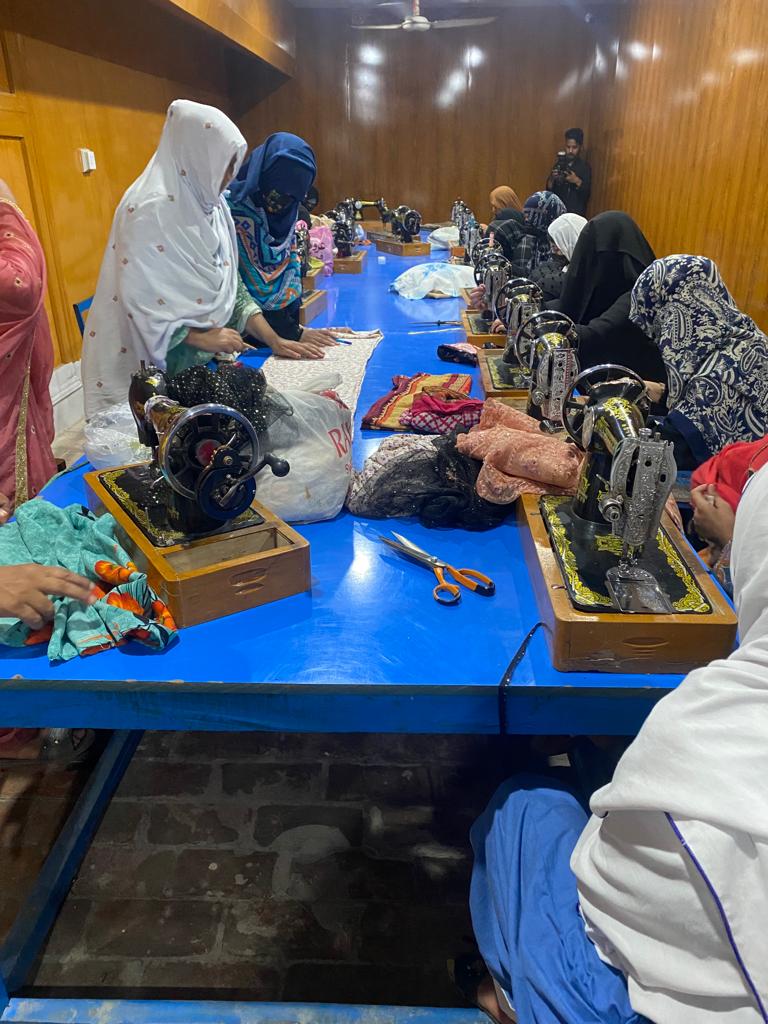
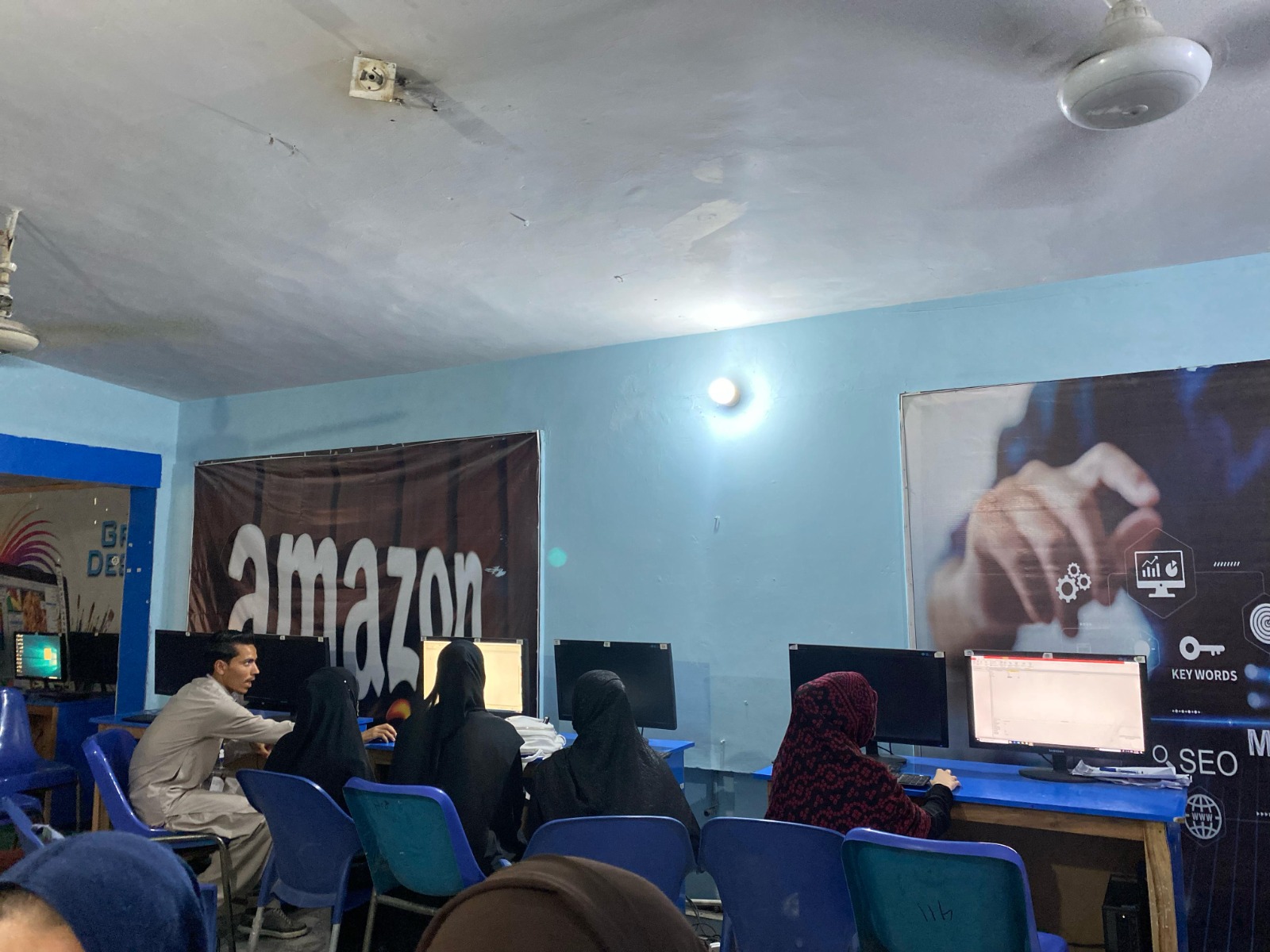
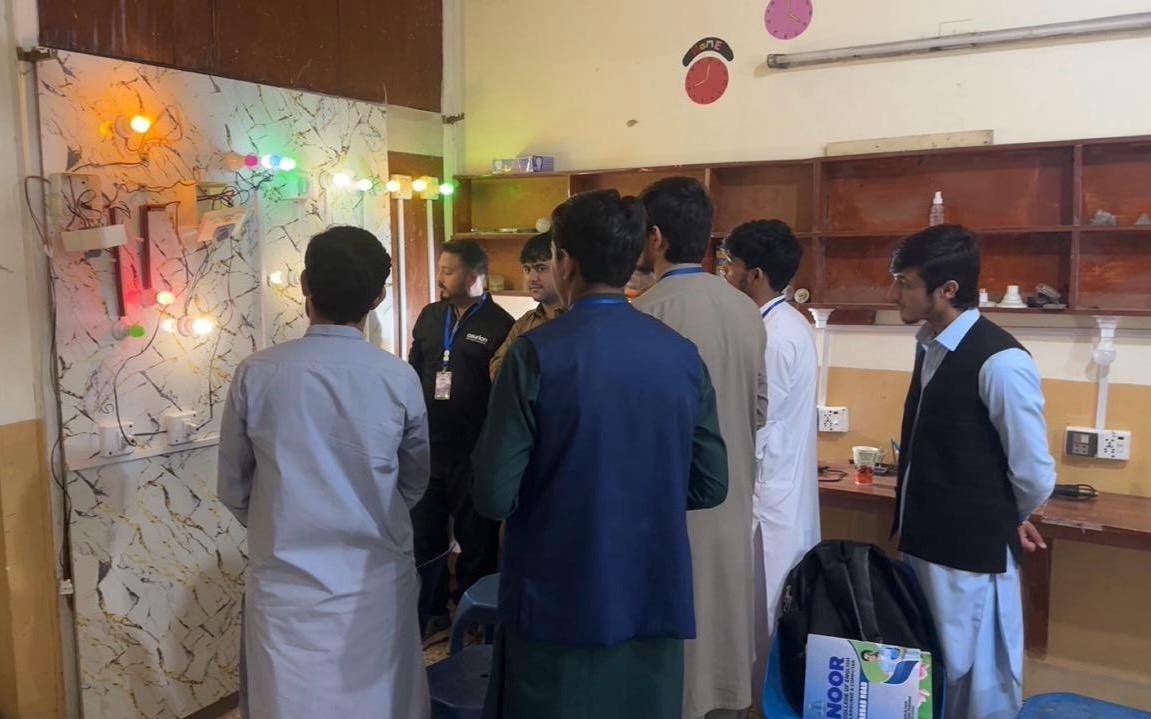
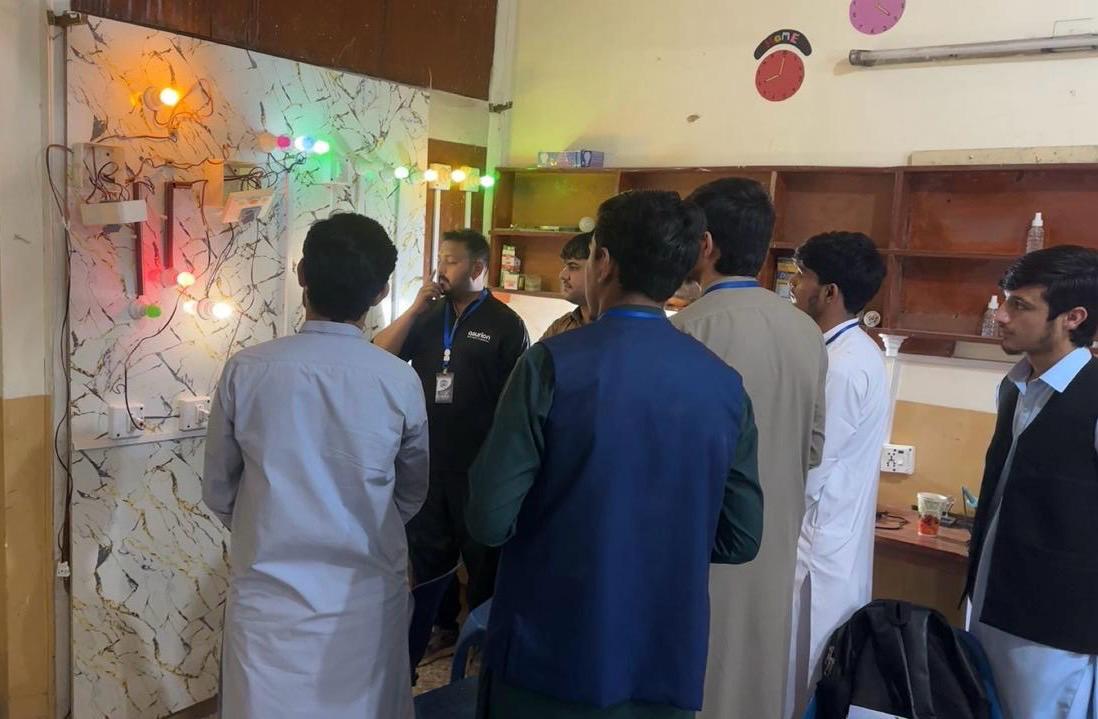
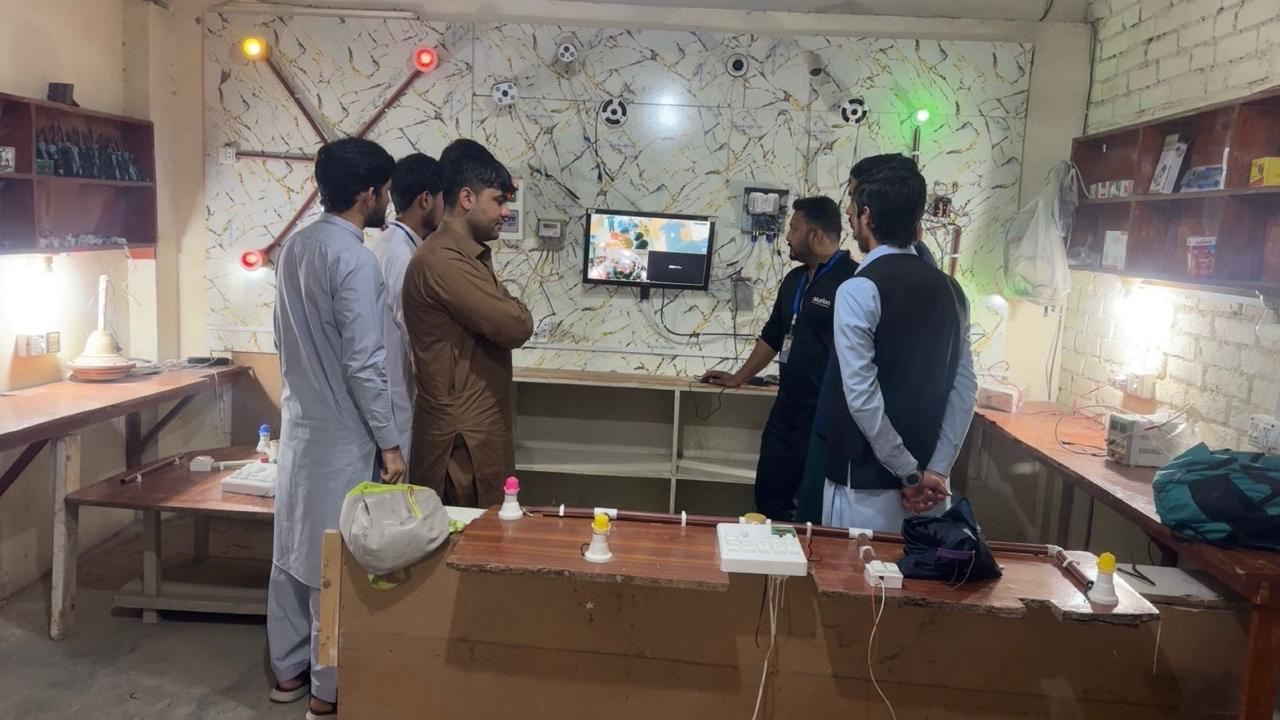
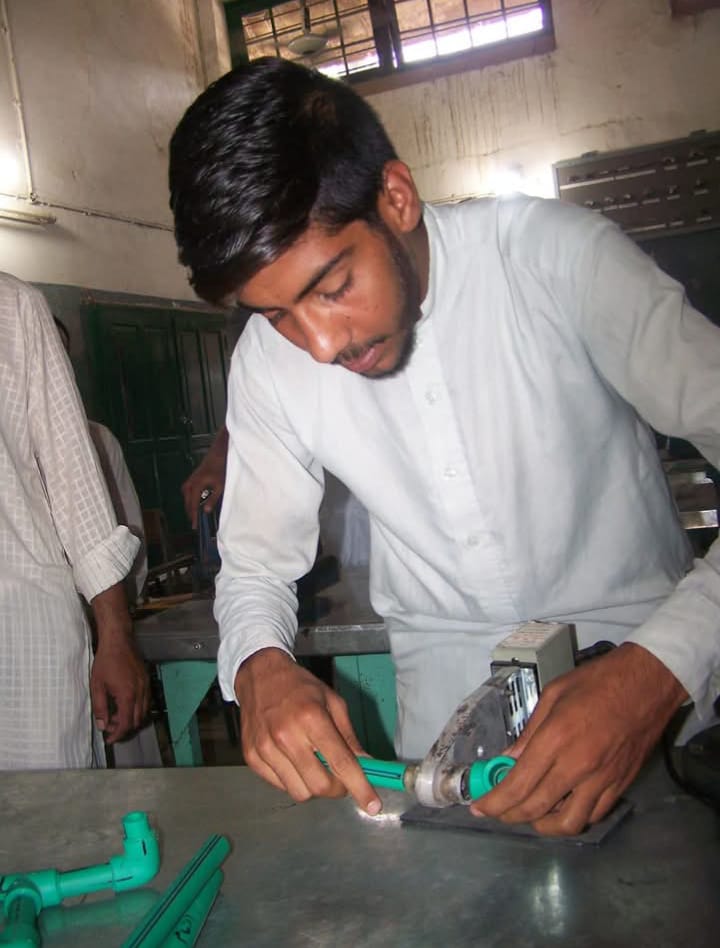
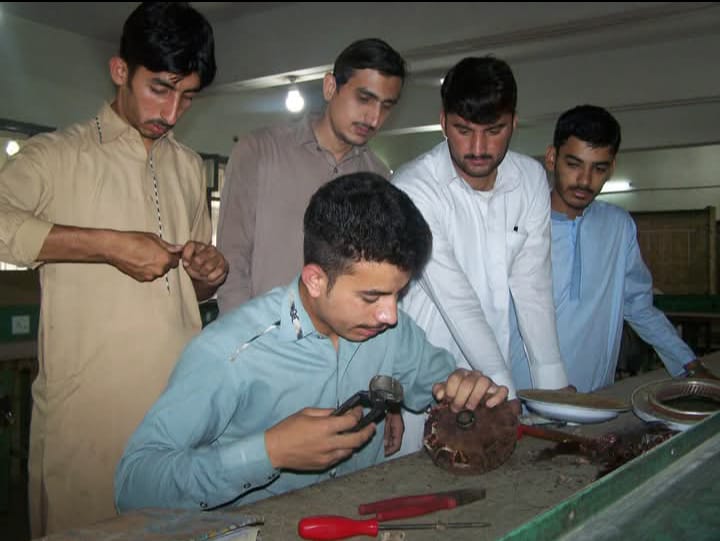
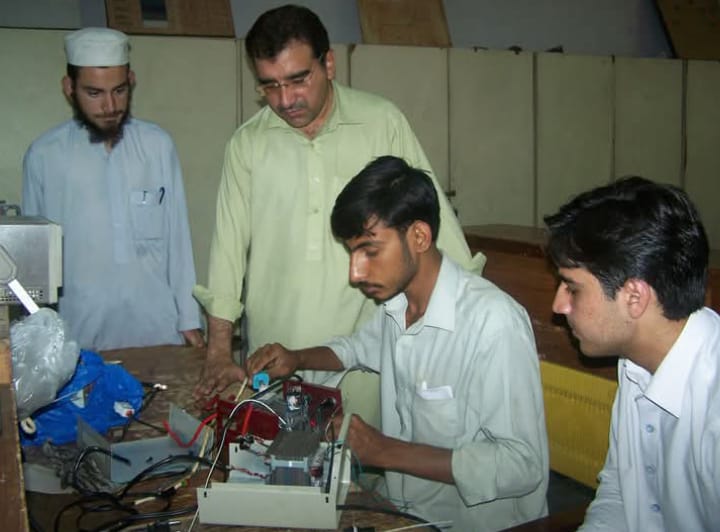
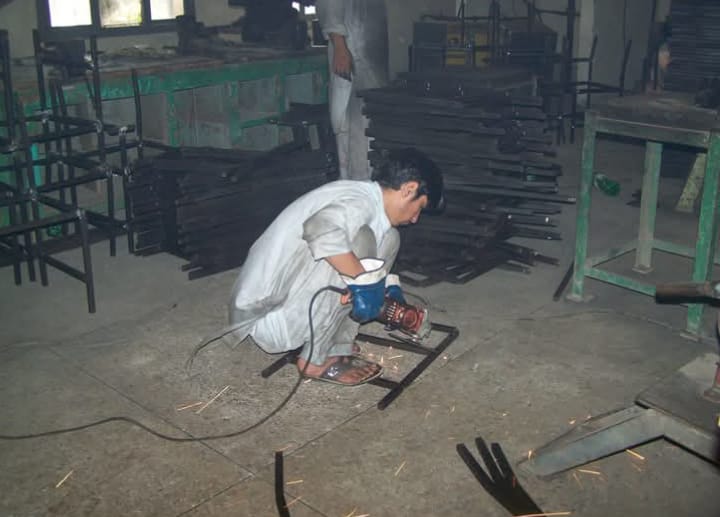
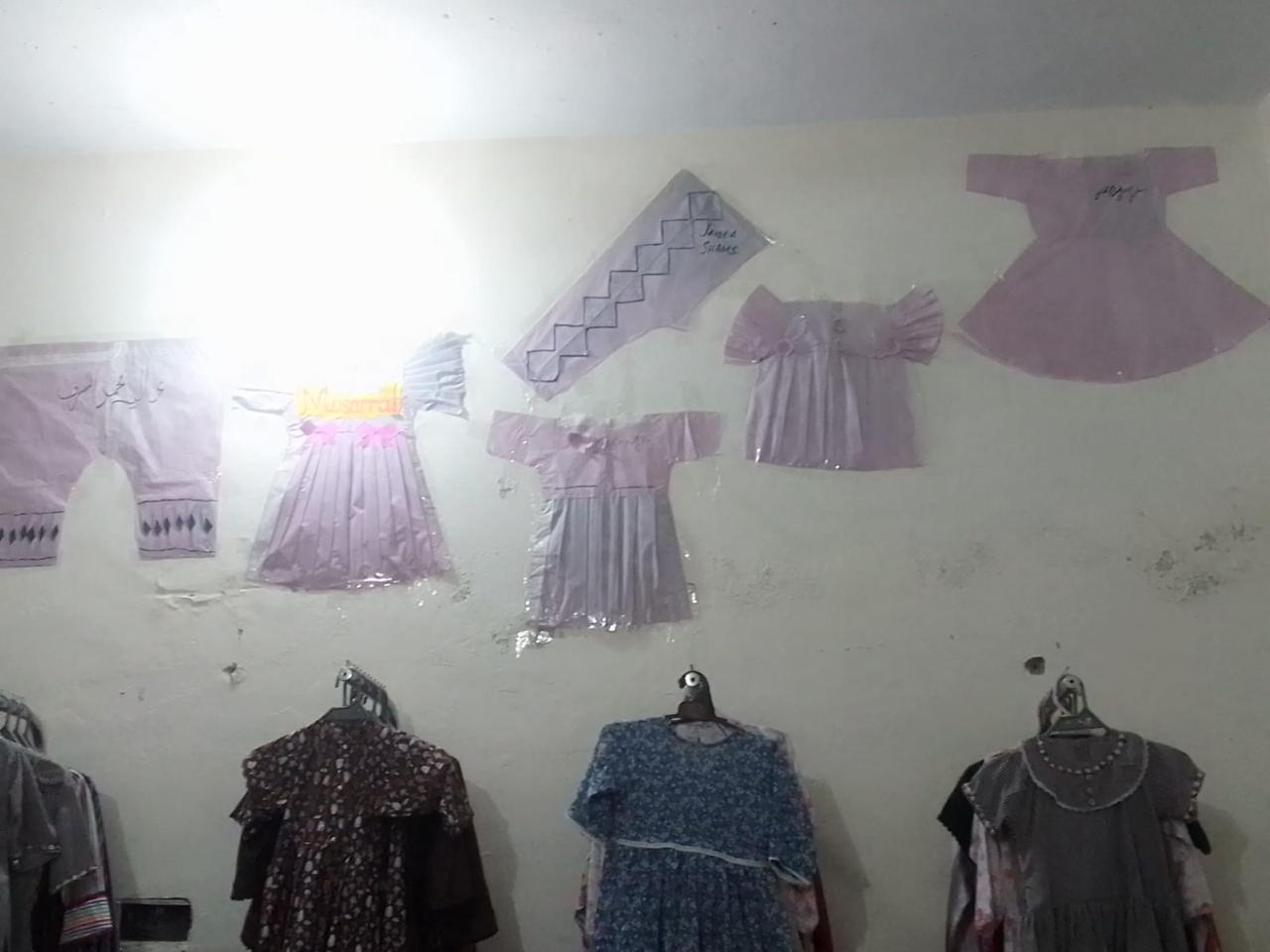
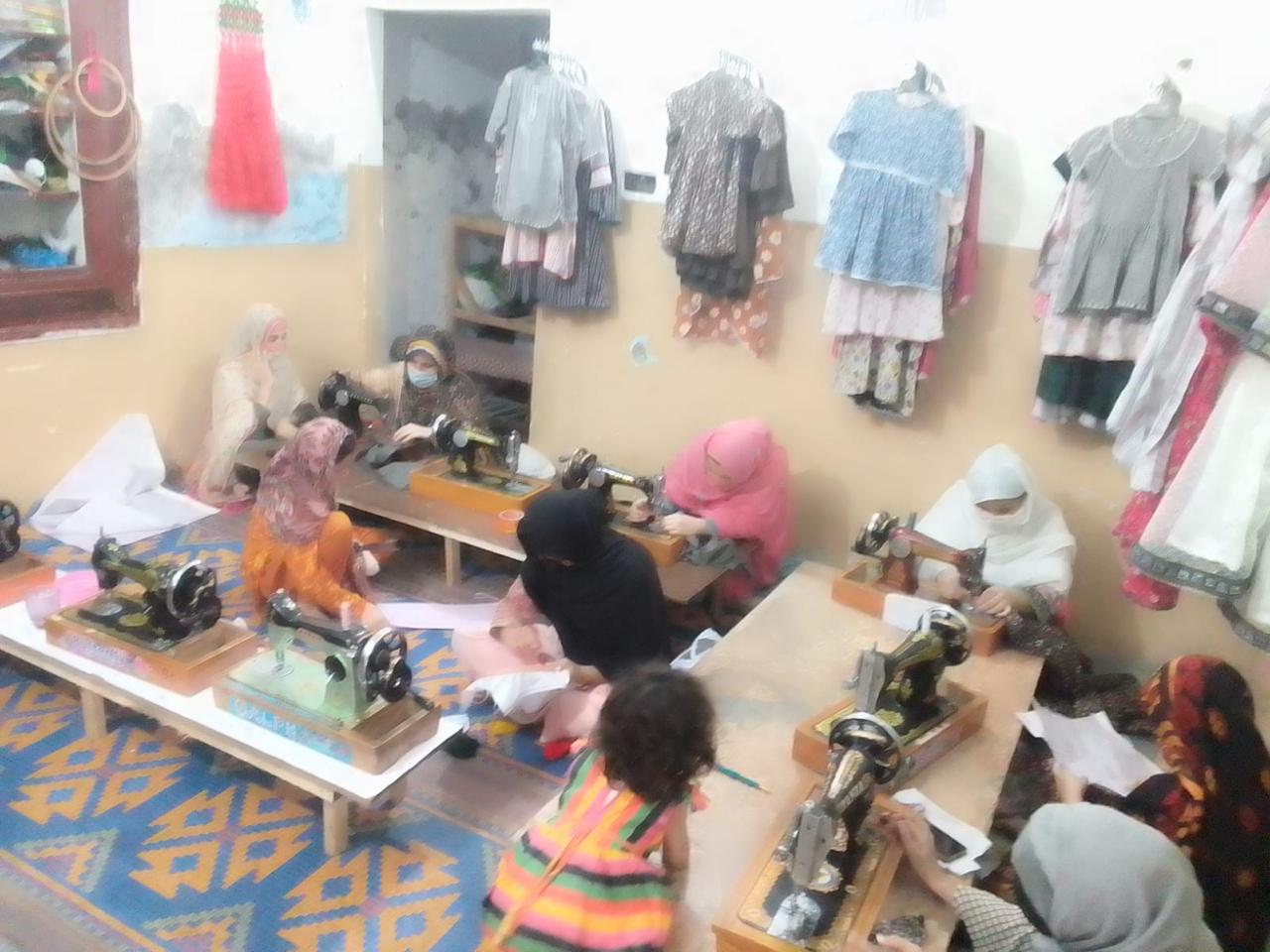
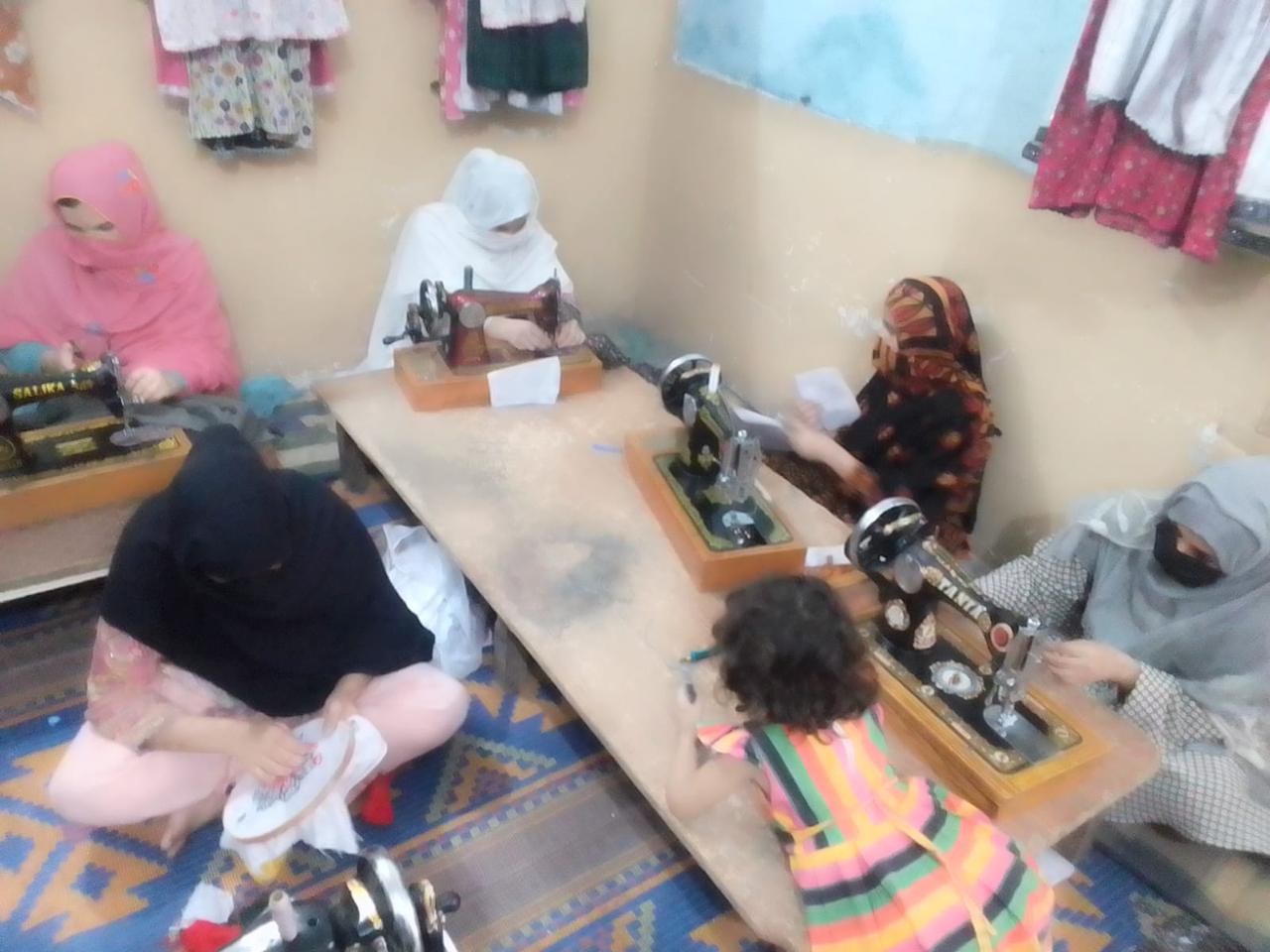
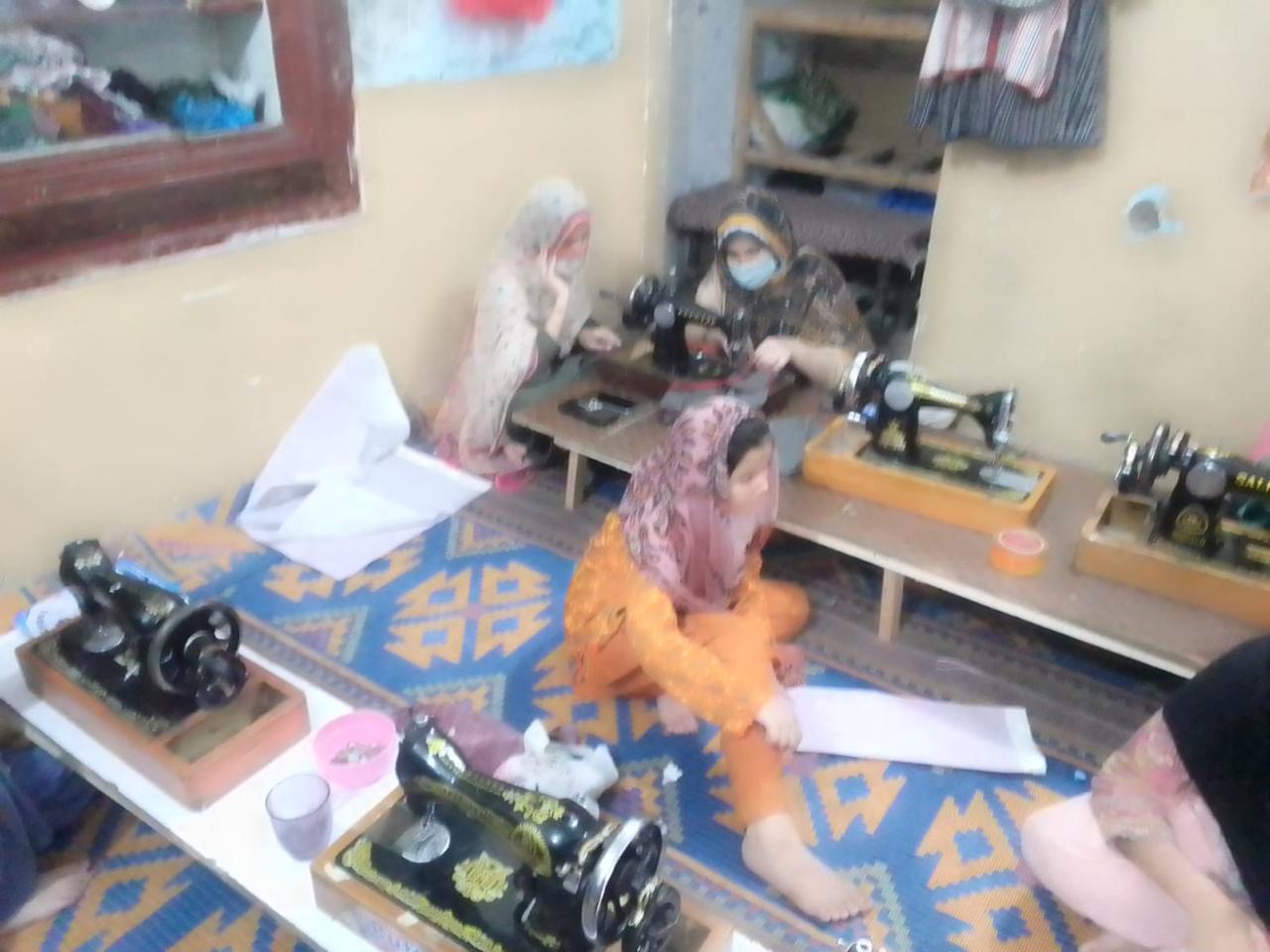
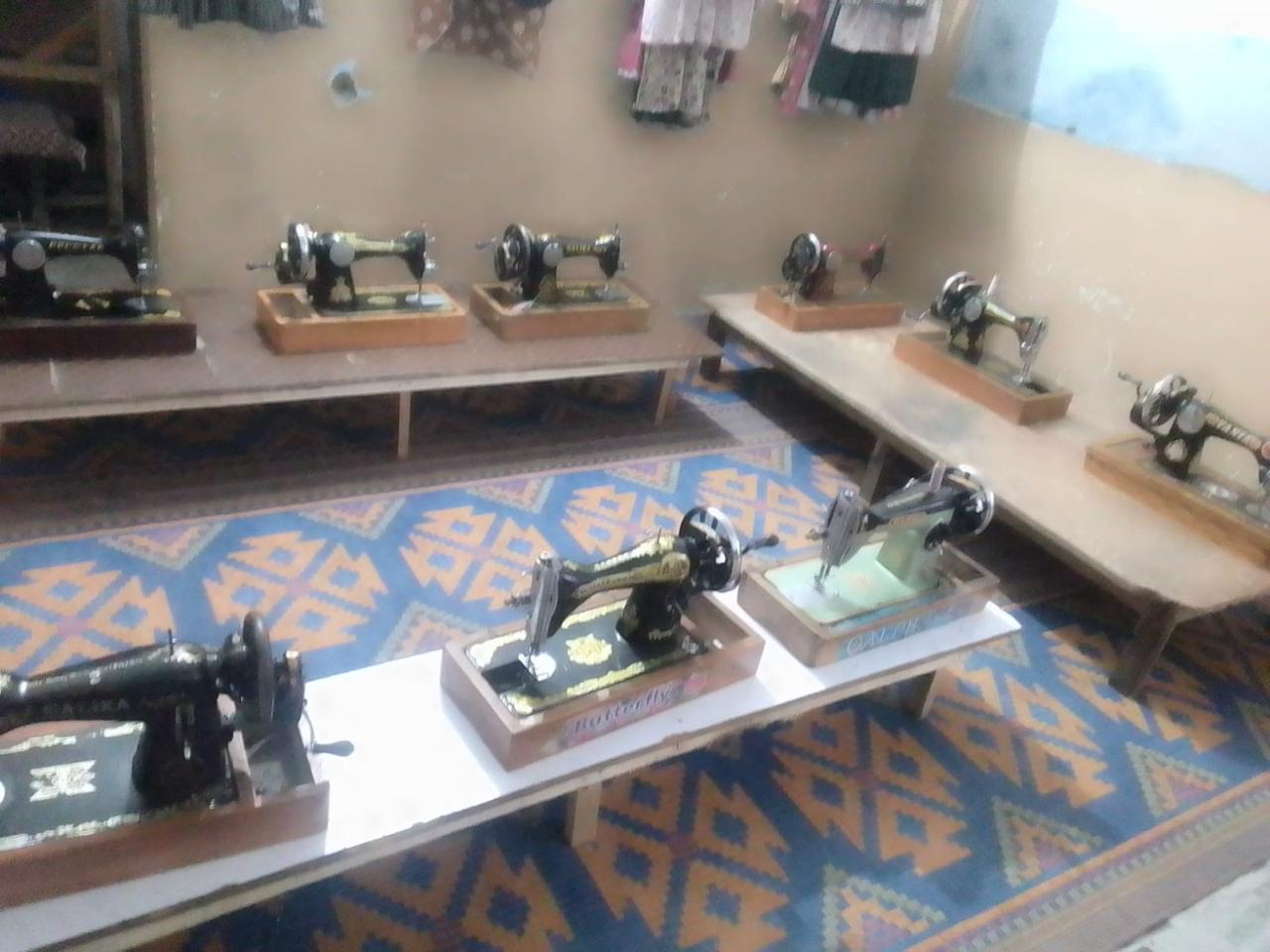
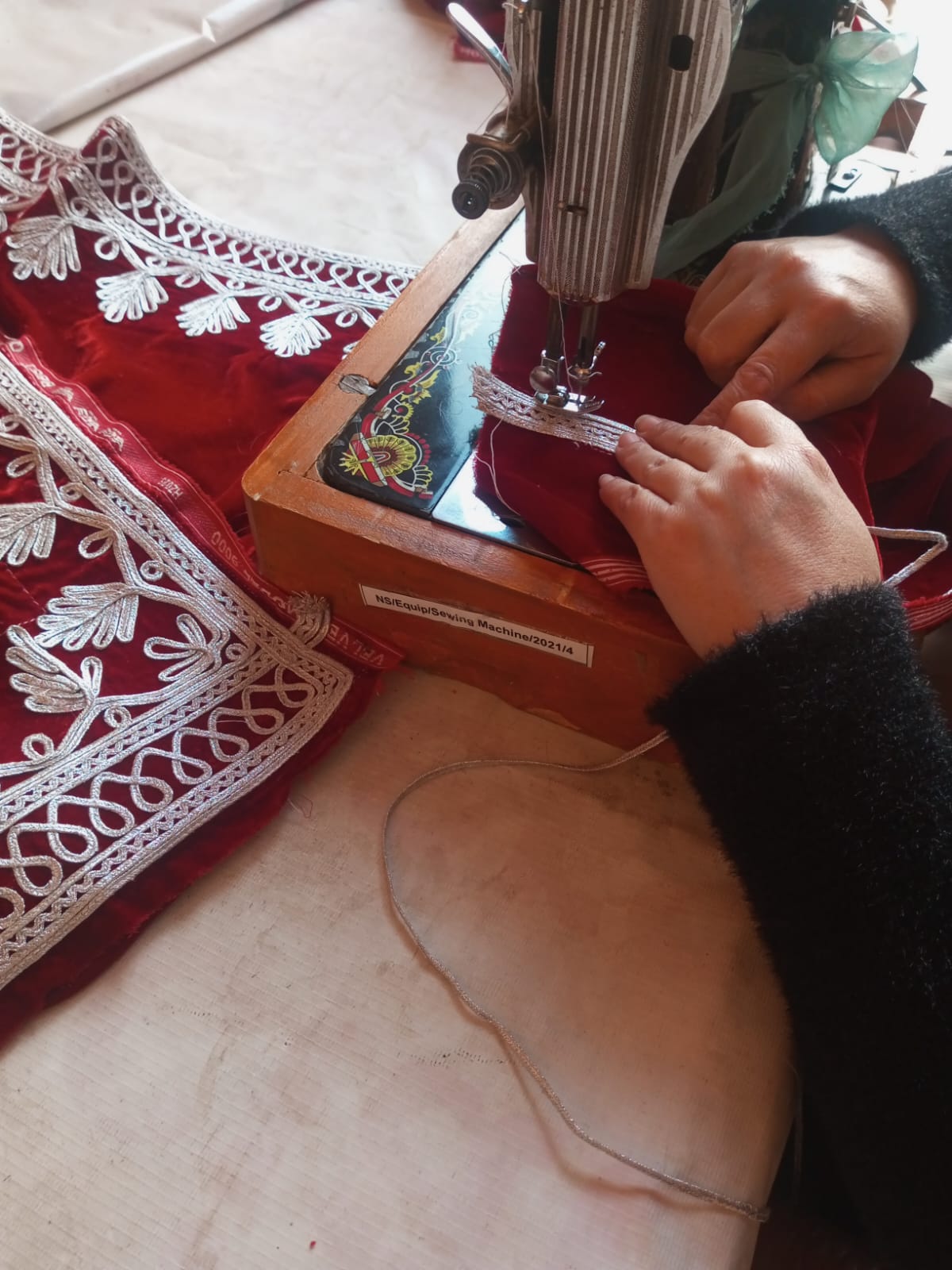
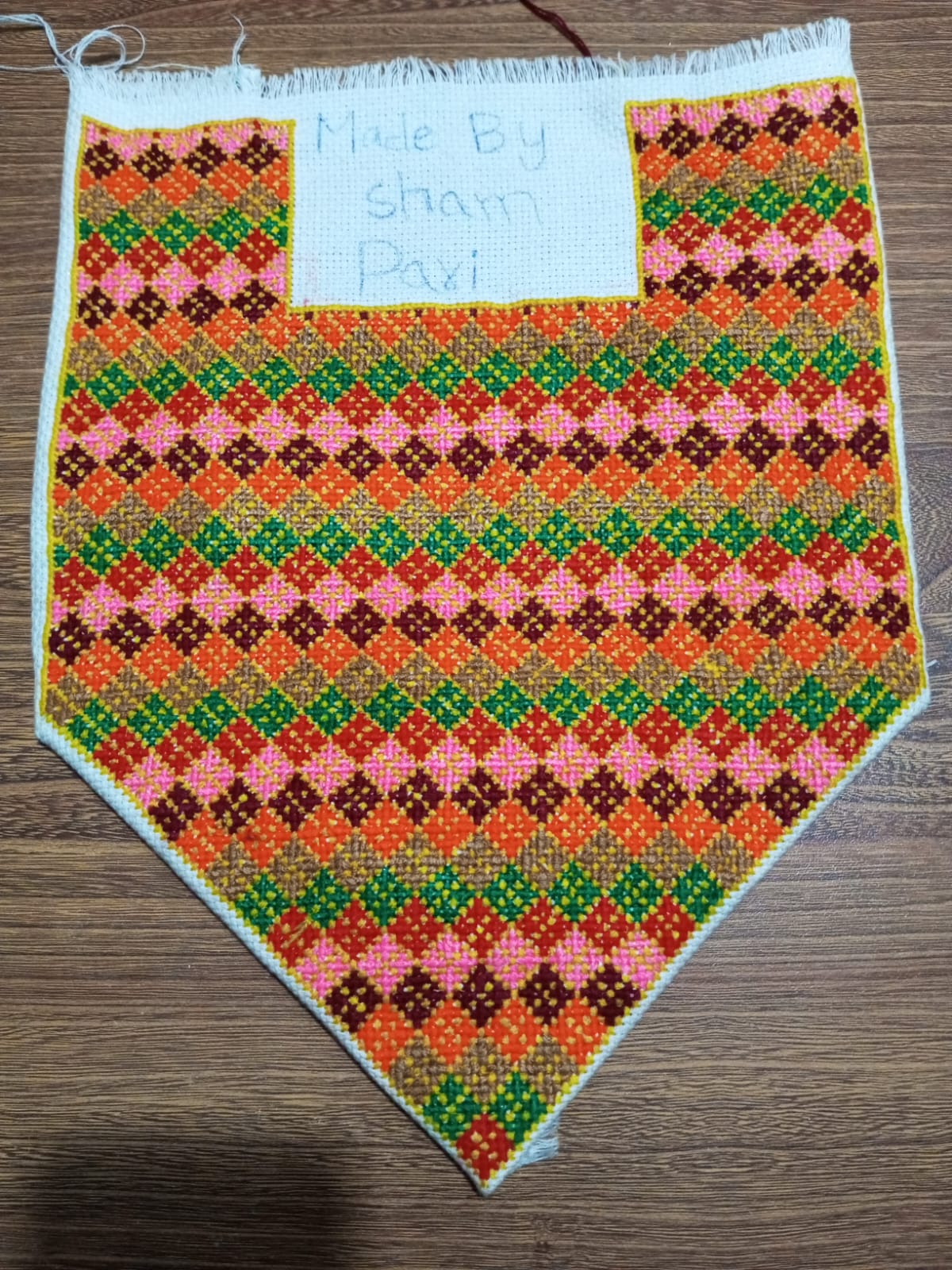
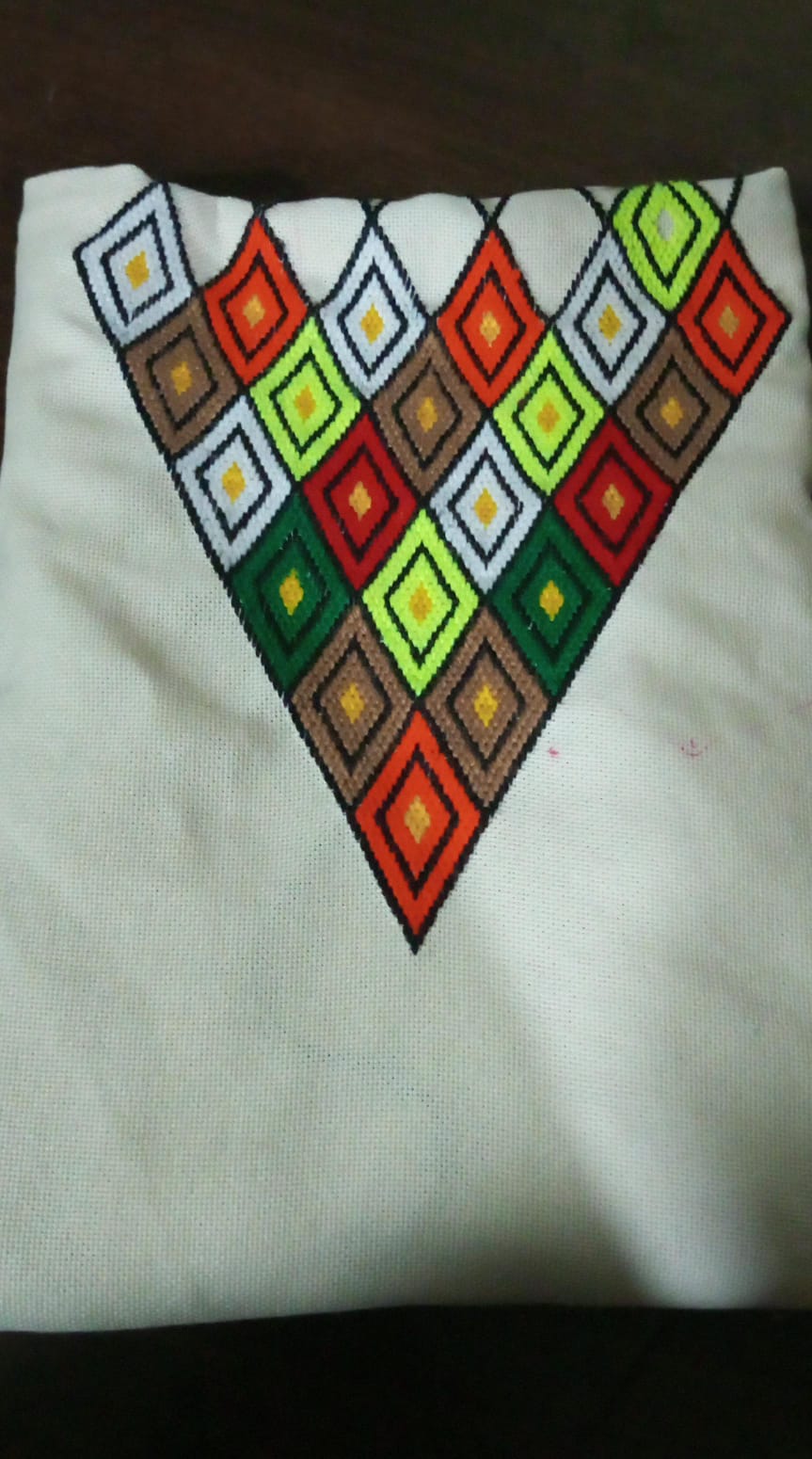
The project was structured around a six-month intensive training cycle, complemented by post-training support mechanisms. Training programs were carefully selected based on market demand and included a diverse range of trades such as e-commerce, information technology, mobile repairing, electrical and plumbing work, automotive mechanics, solar technology, tailoring, dress designing, and hospitality services.
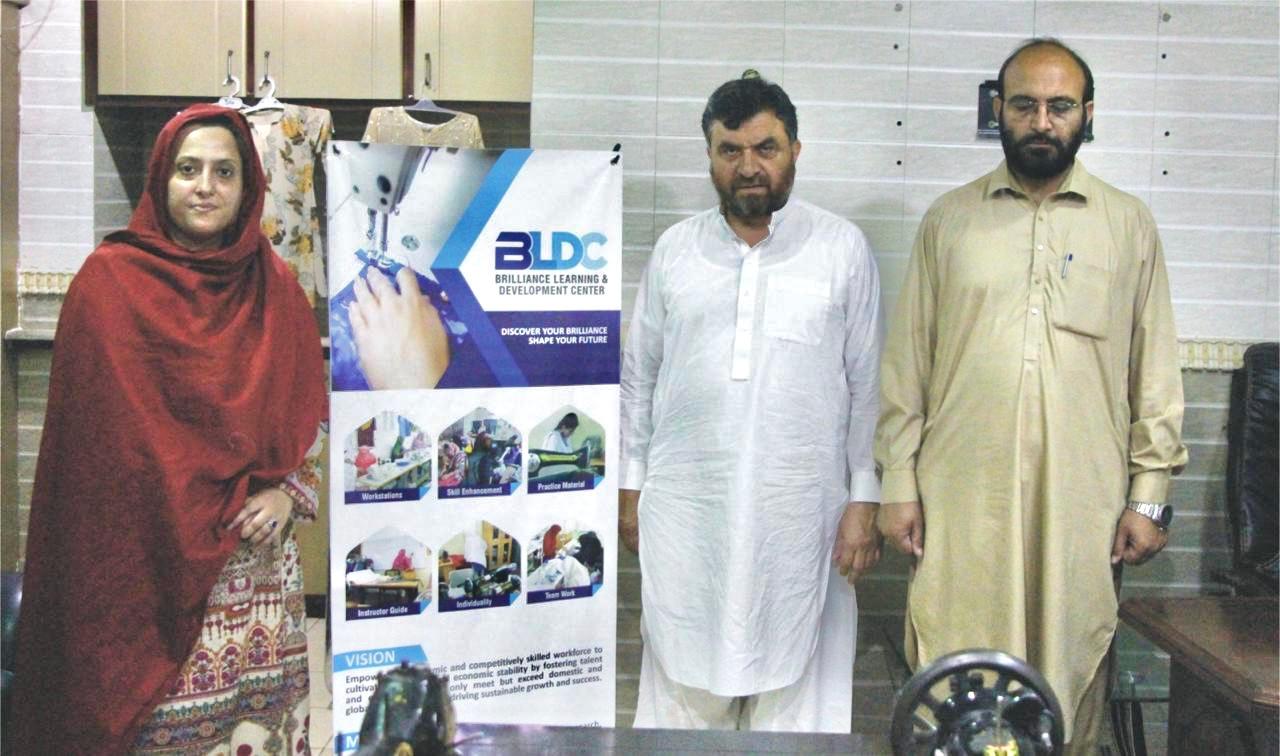
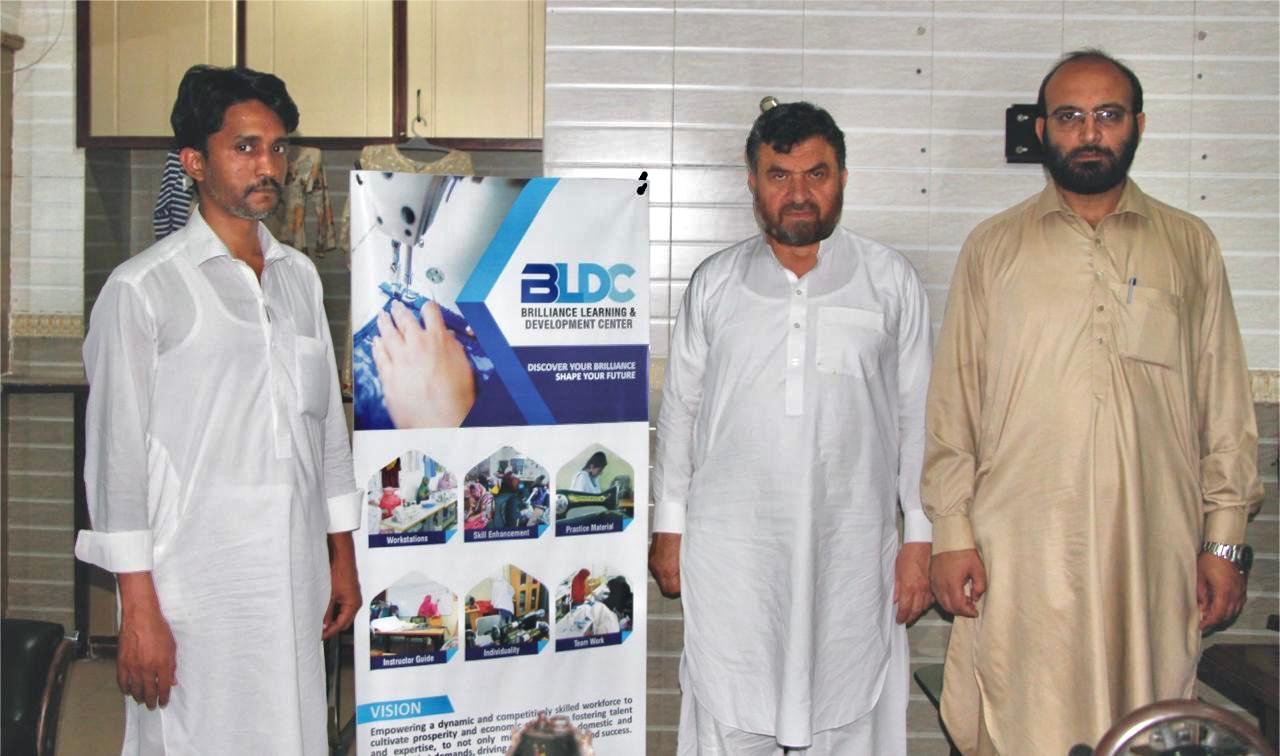
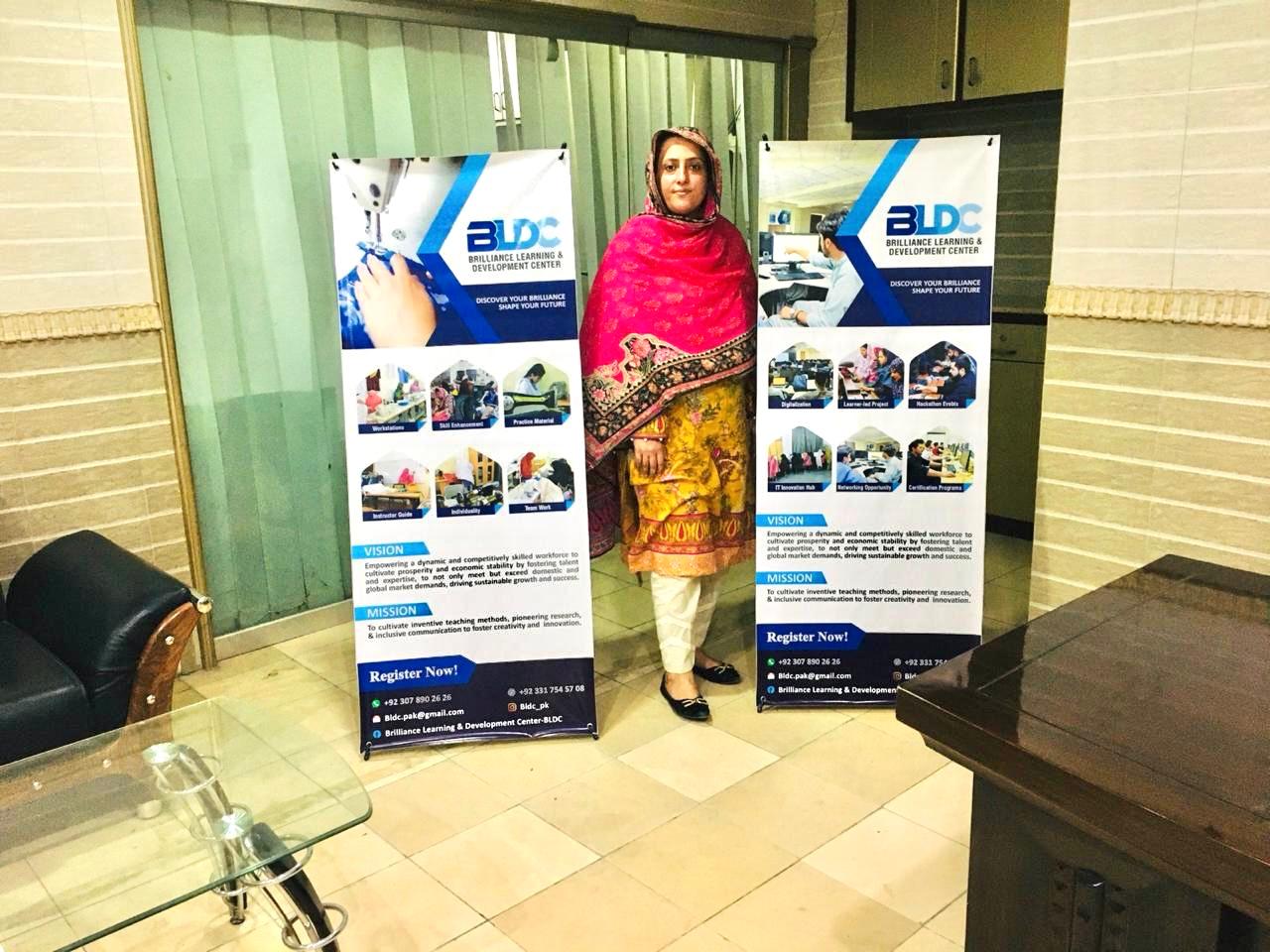
Training delivery was facilitated through PEDO’s partner institutions, BLDC and Noor Learning College, Mera Ghar Shelter and Noor Education Trust ensuring adherence to quality standards and practical, hands-on learning. Upon completion of the training, all participants underwent formal assessments and were awarded certifications through the Trade Testing Board Secretariat, providing them with nationally recognized credentials.
To ensure sustainability and immediate economic engagement, each graduate was provided with a starter toolkit relevant to their trade. This approach enabled beneficiaries to initiate self-employment ventures or secure entry-level positions in their respective fields.
In parallel, PEDO actively facilitated employment linkages, particularly within the hospitality sector, where trained individuals were successfully placed in reputable establishments such as Shelton’s Rezidor and Shelton Guest House Peshawar.
Community Awareness and Government Linkages
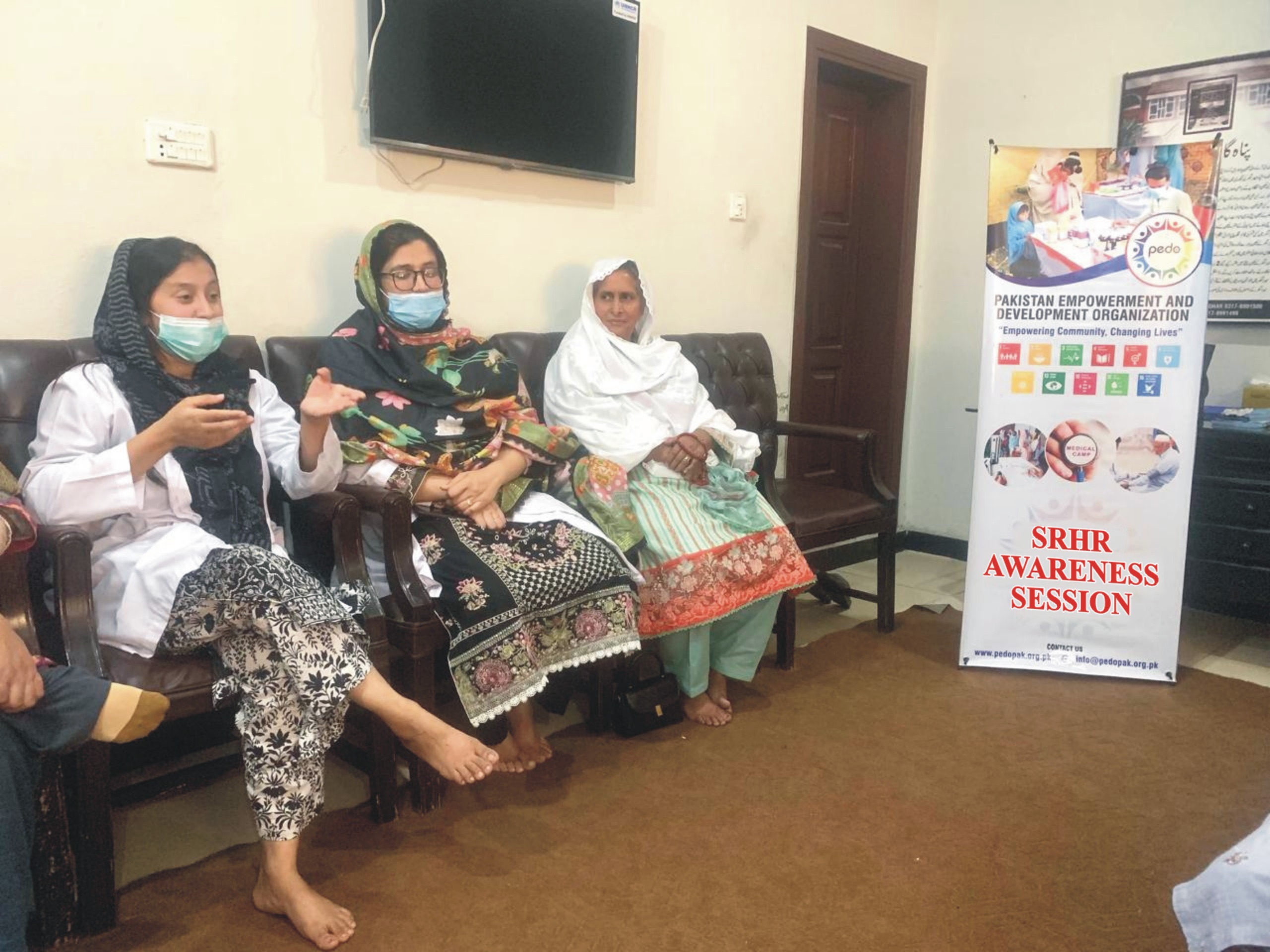
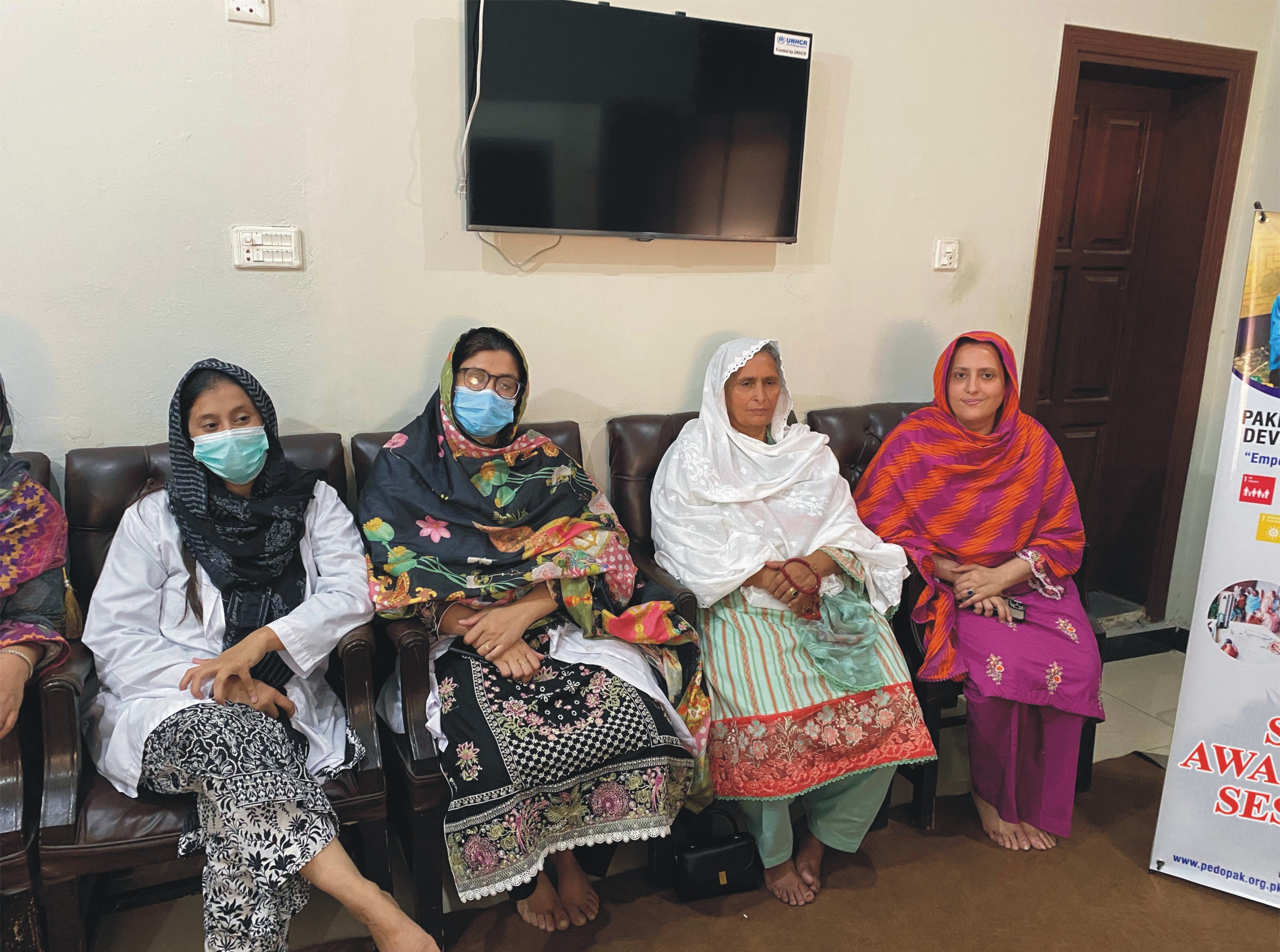
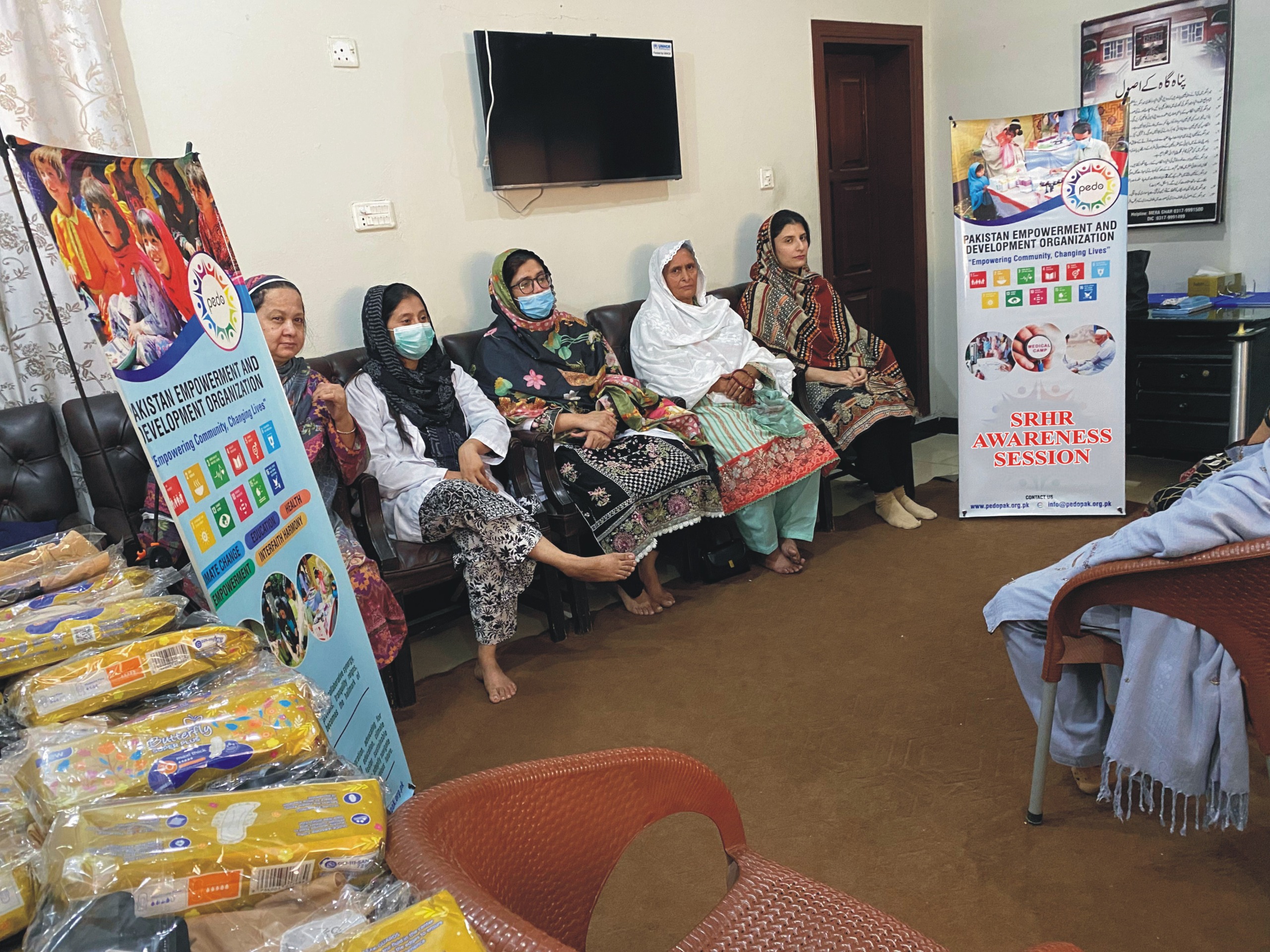
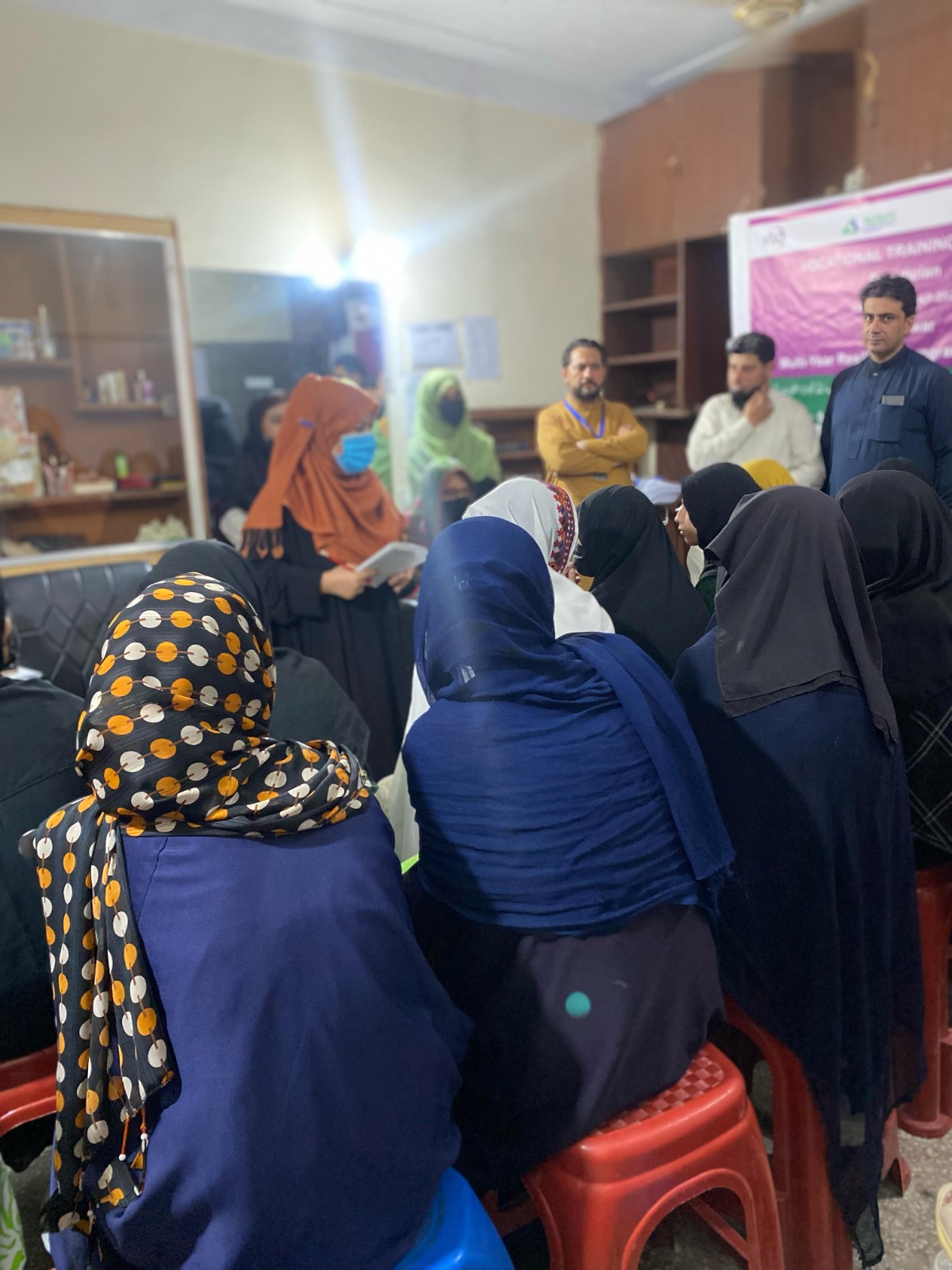
A distinguishing feature of the project was its strong emphasis on bridging the gap between marginalized communities and national development initiatives. During initial engagement, it became evident that a large proportion of eligible youth lacked awareness of government-led programs, including the Prime Minister’s Youth Skill Development Program (PMYSDP).
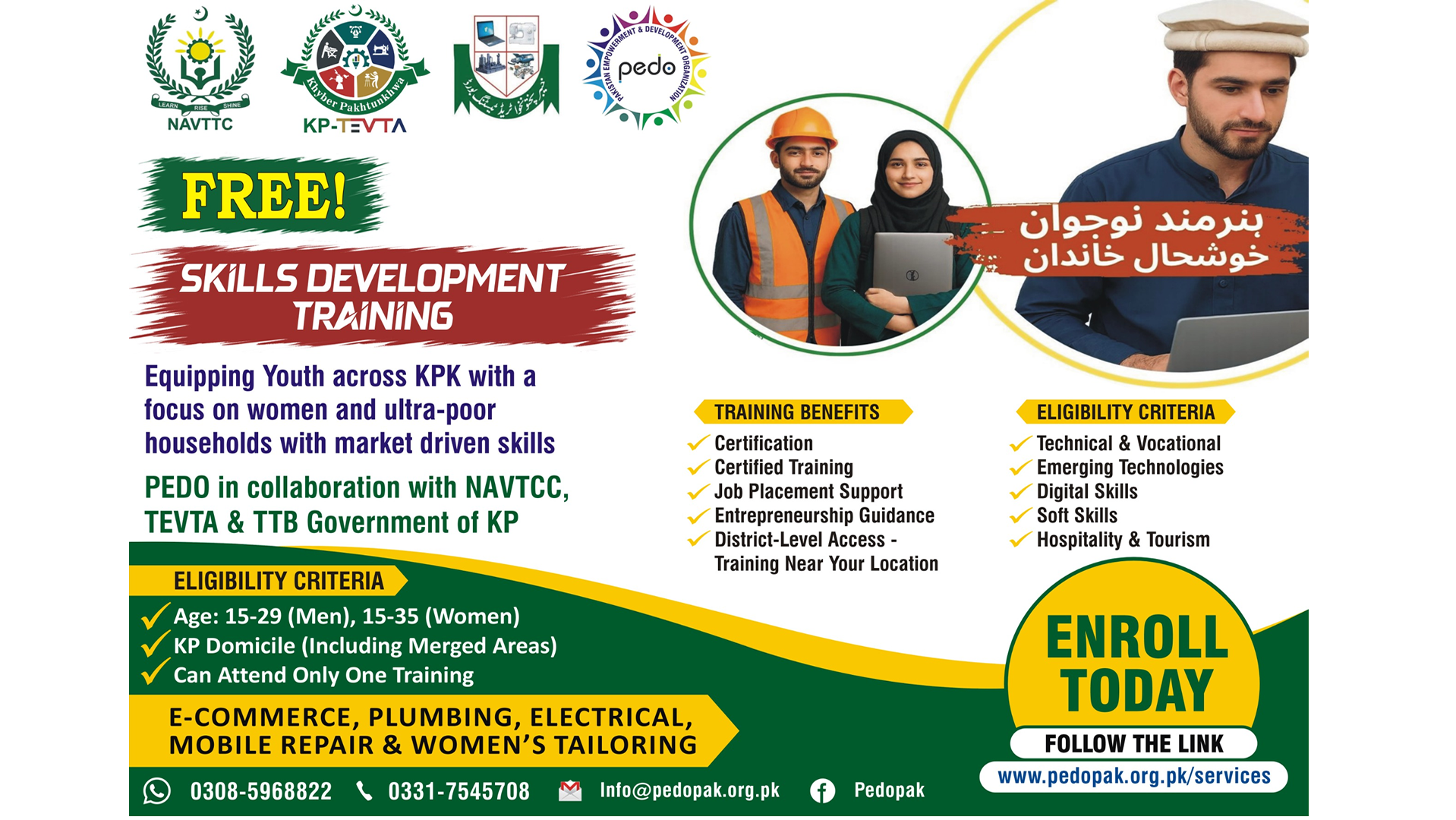
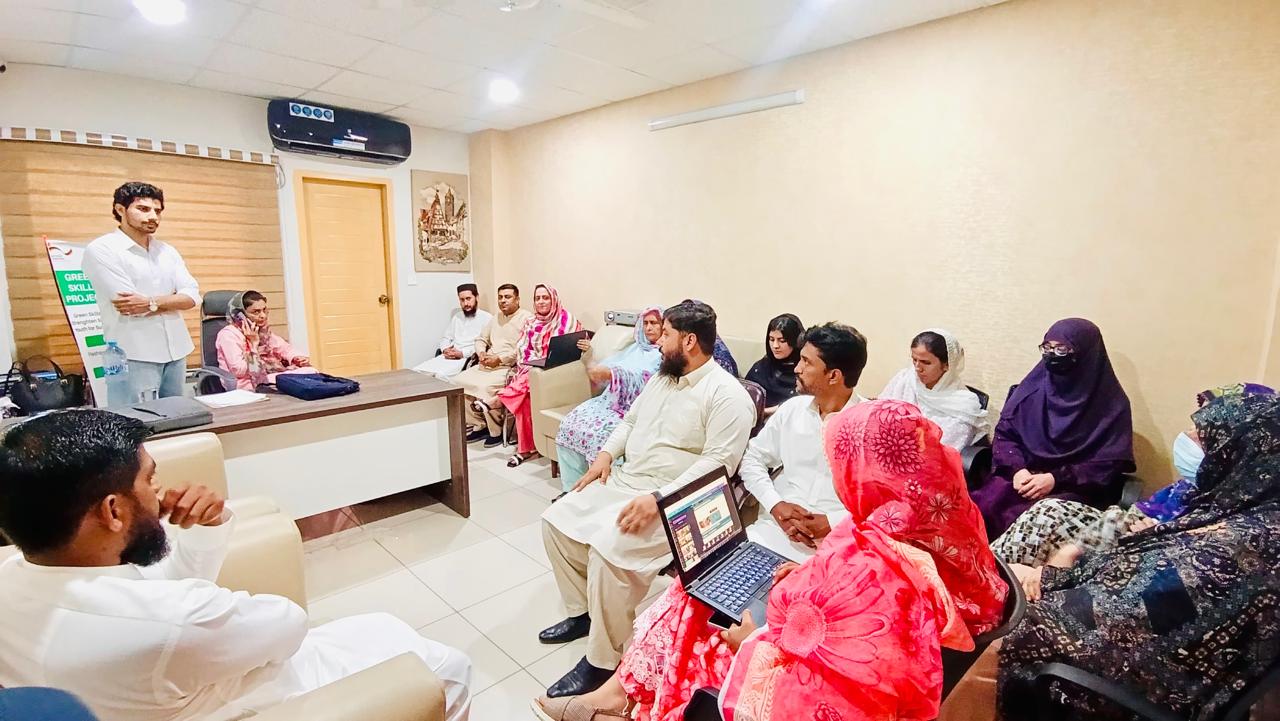
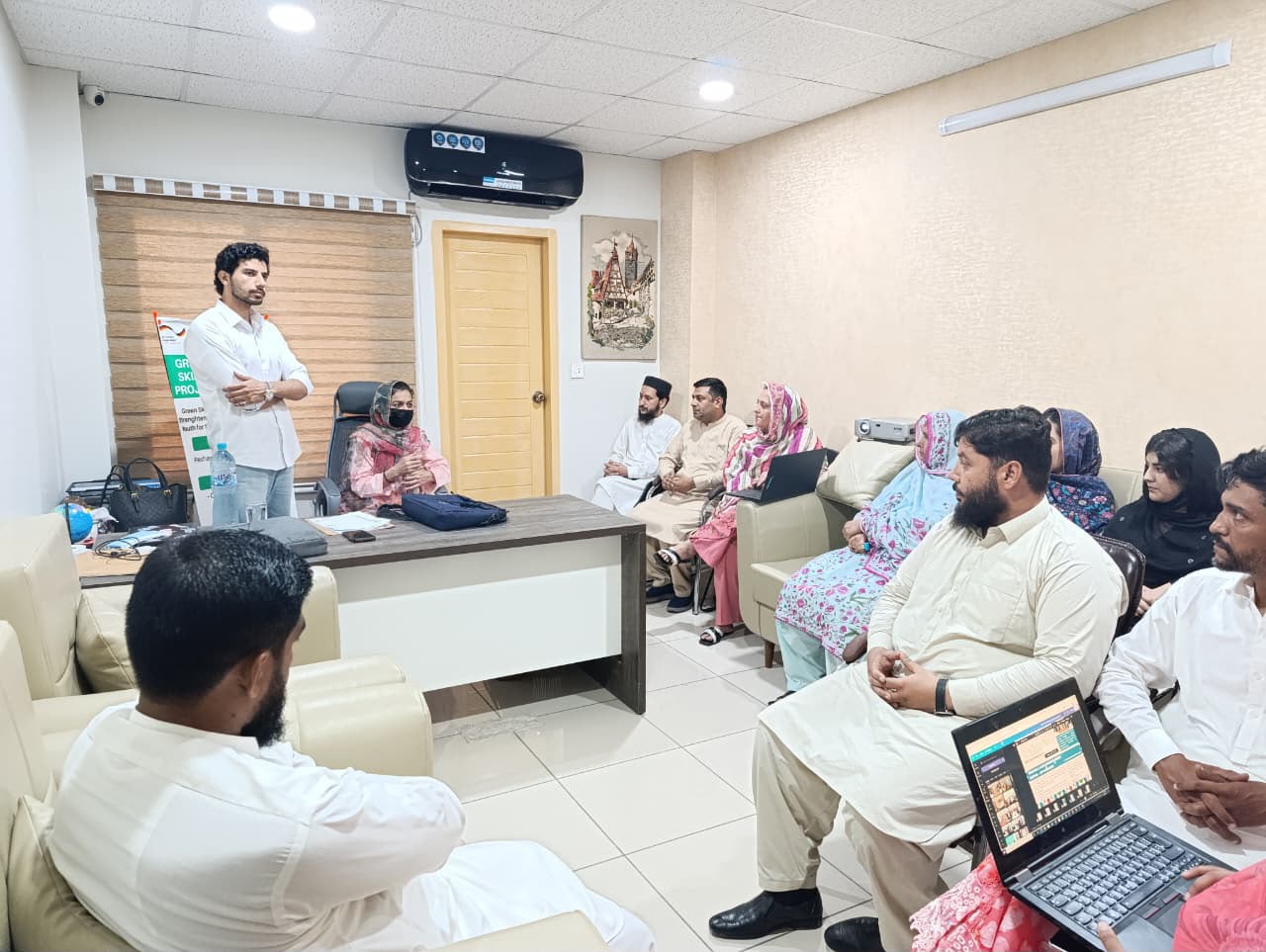
In response, PEDO implemented a targeted awareness and facilitation component in coordination with NAVTTC and TEVTA. Through structured community sessions, outreach campaigns, and one-on-one guidance, PEDO identified eligible candidates and supported them in accessing government programs.
Beyond awareness, PEDO contributed as a grassroots advisory partner by providing beneficiary mapping, community insights, and facilitation support to ensure inclusive participation. This effort significantly strengthened last-mile connectivity between policy frameworks and intended beneficiaries, with over 300 individuals reached and more than 150 youth successfully linked to national initiatives.
Partnerships and Institutional Collaboration
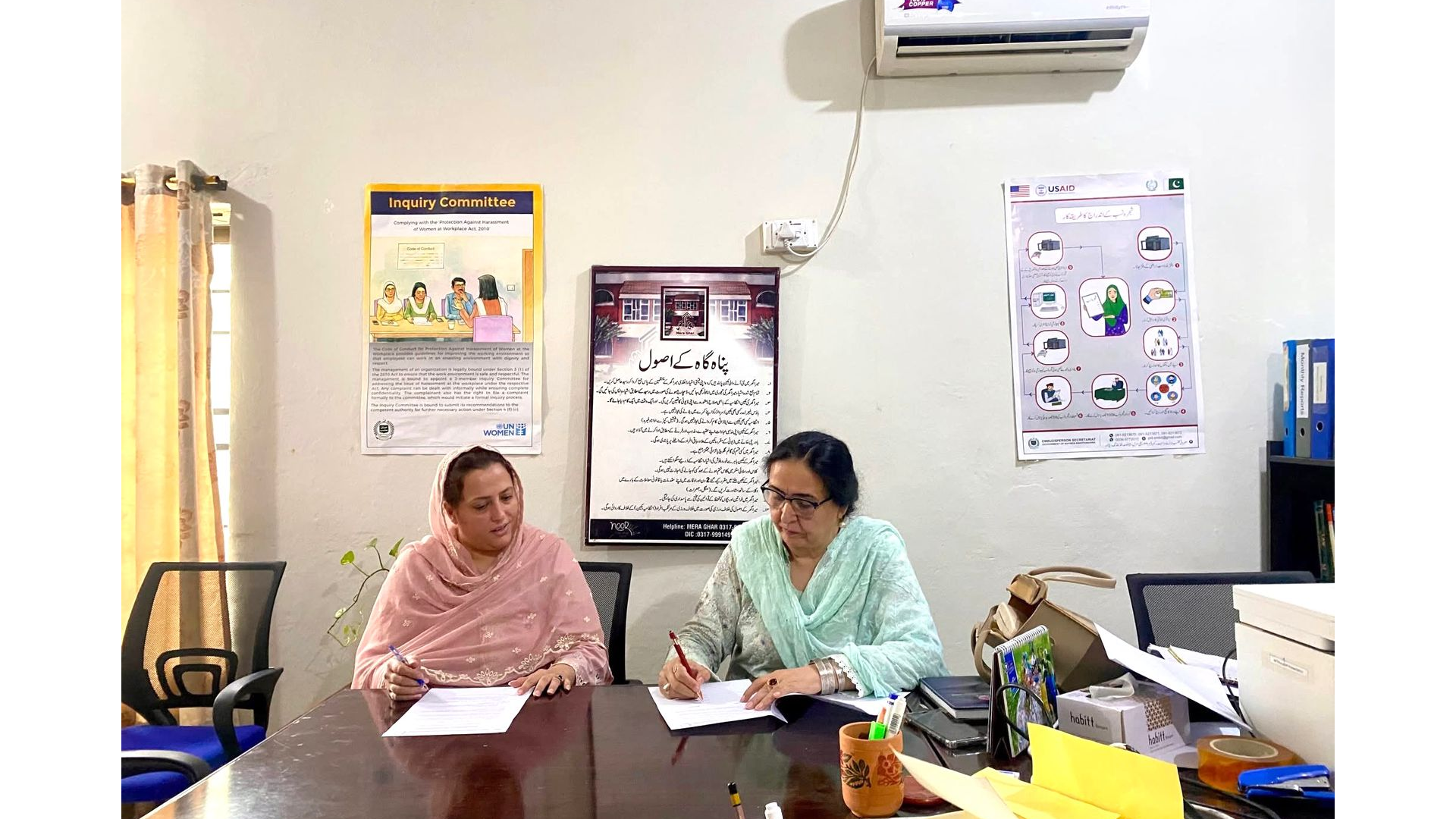
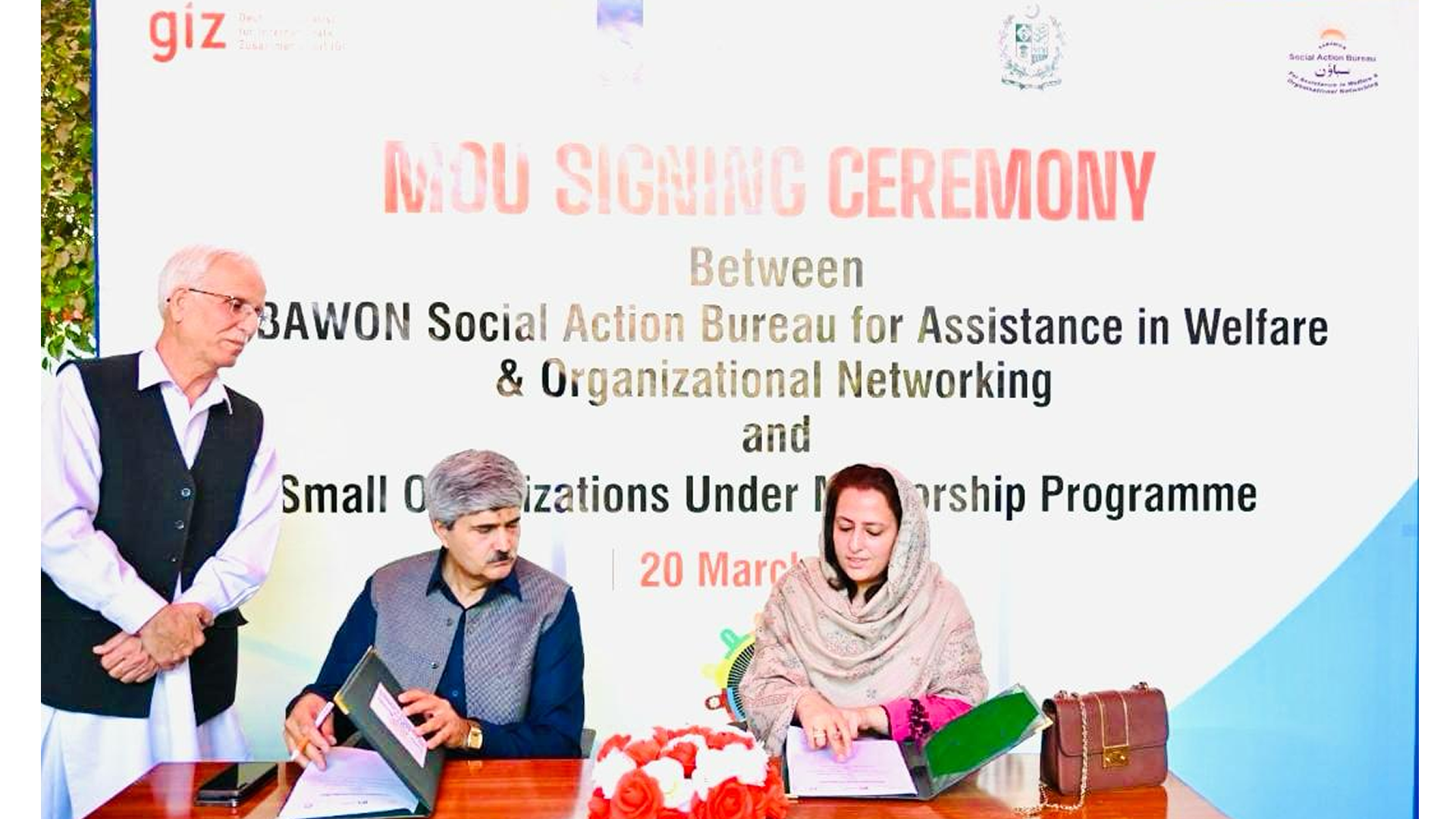
The successful implementation of the project was underpinned by strong institutional partnerships. Formal Memorandums of Understanding (MoUs) were established with BLDC and Noor Learning College, clearly defining roles, responsibilities, and quality assurance mechanisms.
PEDO’s collaboration with NAVTTC, TEVTA, and TTB further ensured that the project remained aligned with national standards and contributed to broader skill development frameworks, including the Prime Minister’s Hunarmand Pakistan Program.
Results and Impact
The project achieved significant and measurable outcomes. All 230 enrolled beneficiaries successfully completed their training and received certifications, reflecting a high completion rate and strong participant engagement. Each graduate was equipped with a toolkit, enabling immediate application of skills in income-generating activities.
Employment and livelihood outcomes were equally promising. More than 80 beneficiaries secured formal employment, while over 100 individuals initiated self-employment ventures, contributing to increased household incomes and improved economic stability.
Importantly, the project also contributed to enhanced social outcomes, including increased participation of women in economic activities and improved confidence and agency among beneficiaries.
Funding and Resource Mobilization
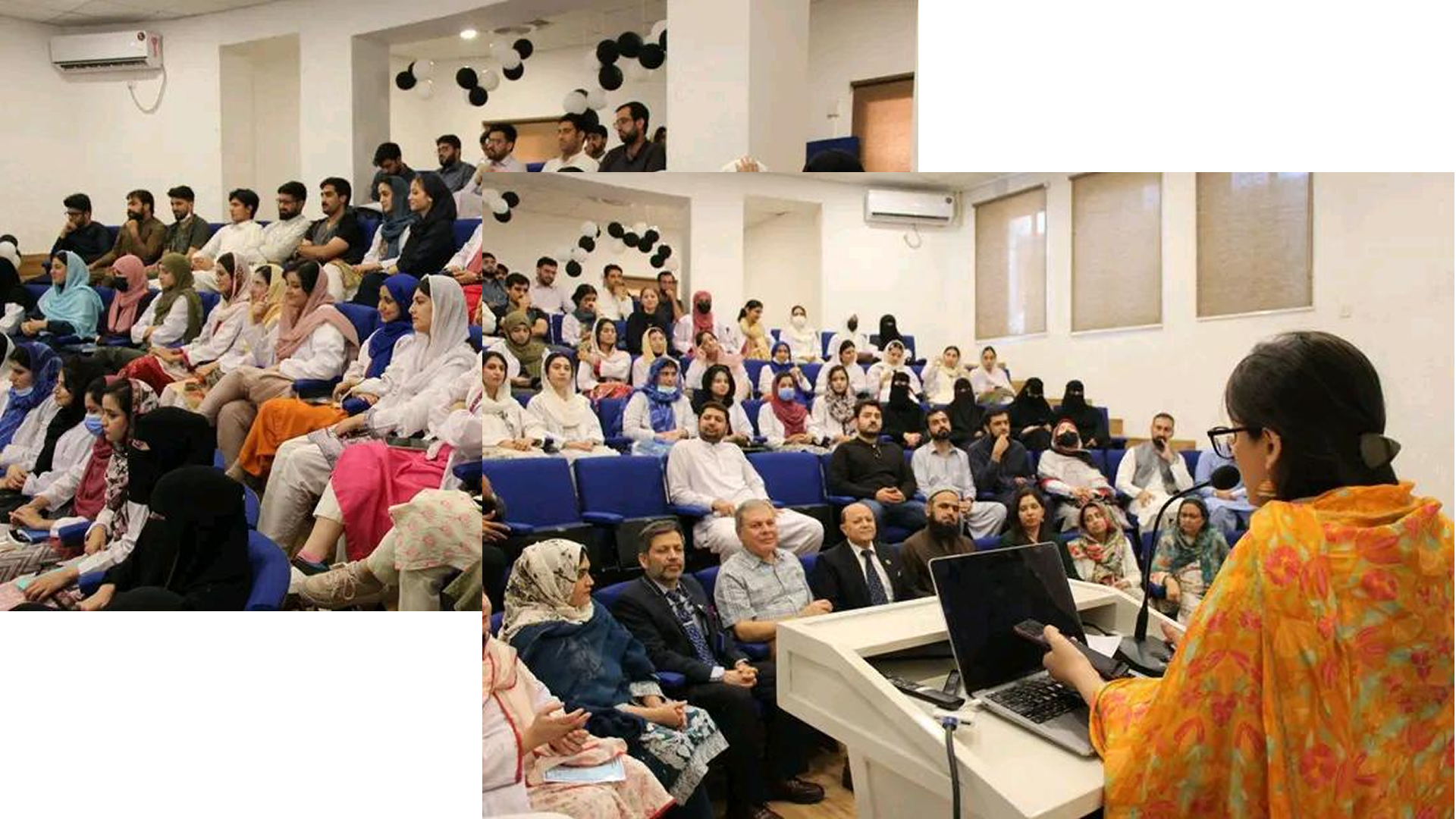
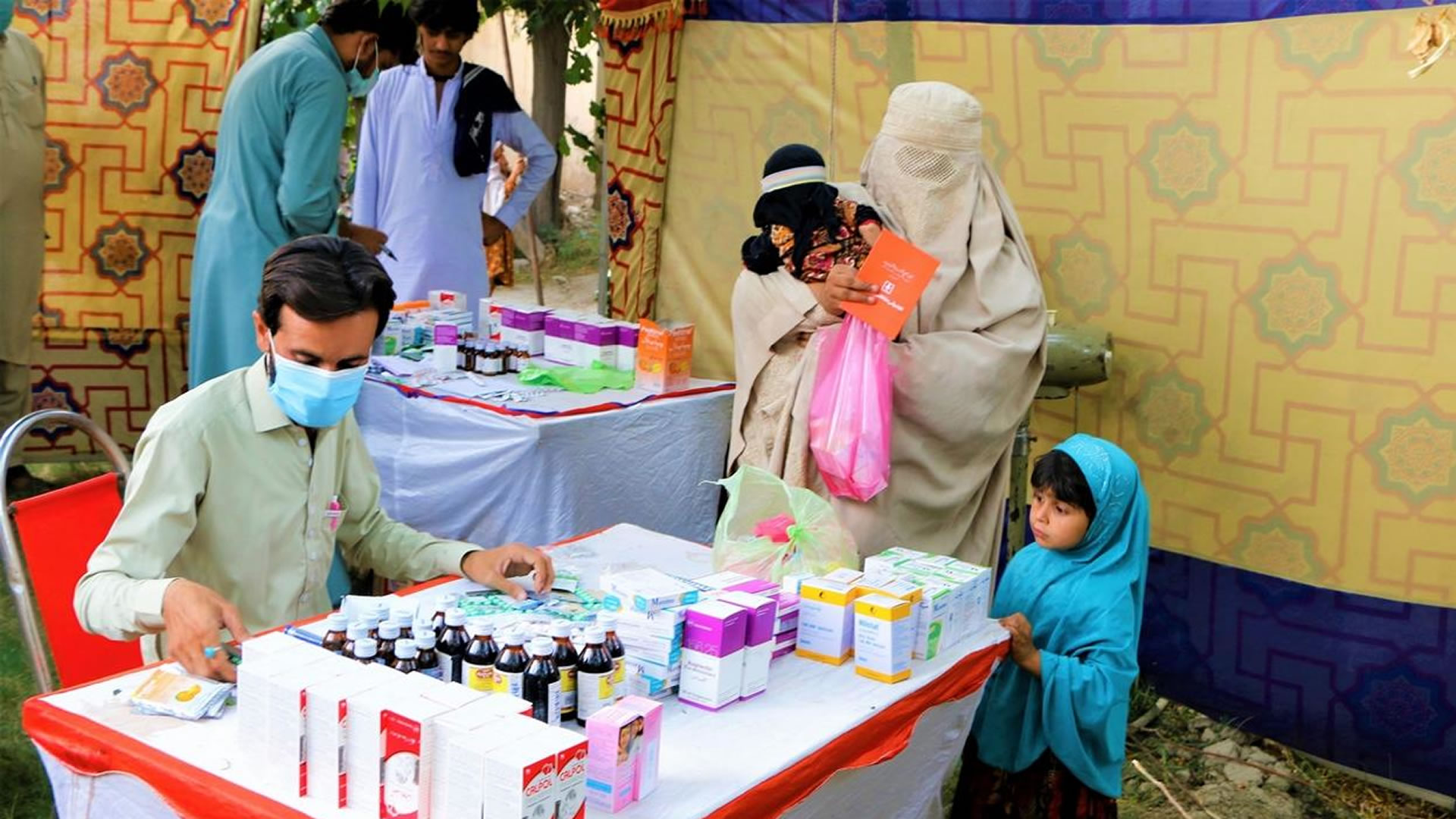
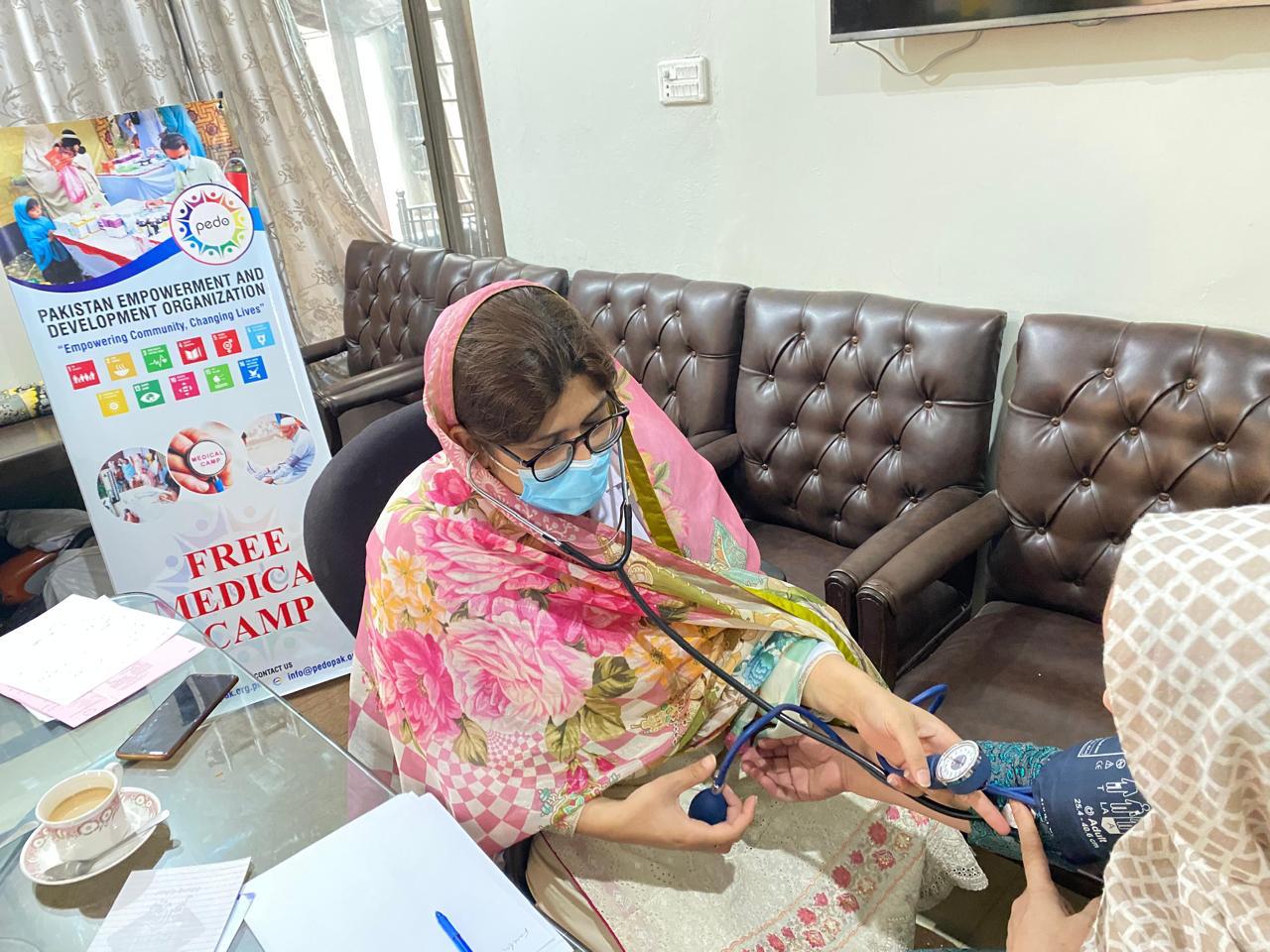
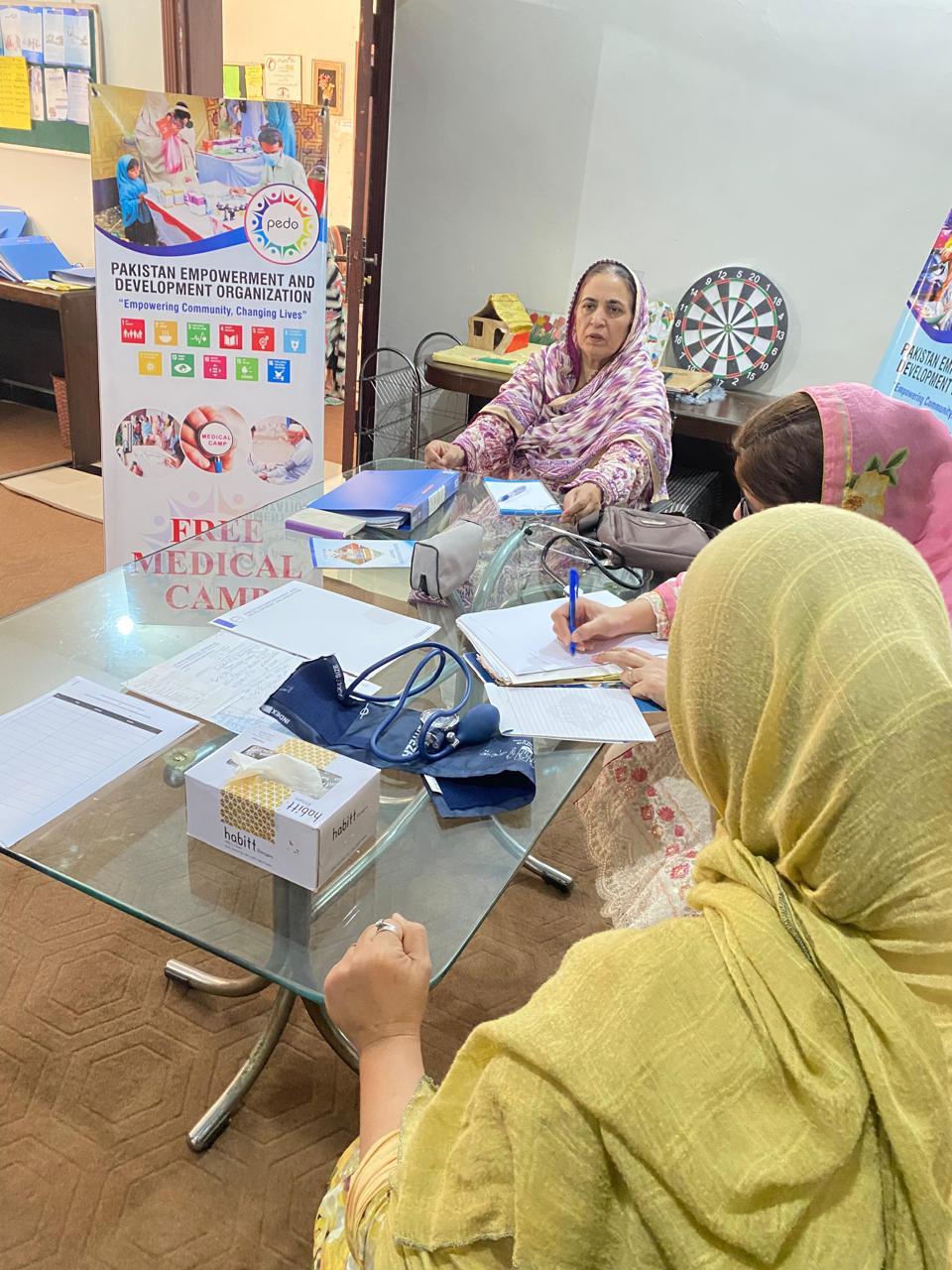
The project reflects PEDO’s strong commitment to community-driven development. Financial and in-kind support was mobilized through PEDO’s Board, medical professionals from Lady Reading Hospital (LRH) and Khyber Teaching Hospital (KTH), and local philanthropic contributions. This diversified funding approach ensured both ownership and sustainability.
Recognition and Institutional Credibility
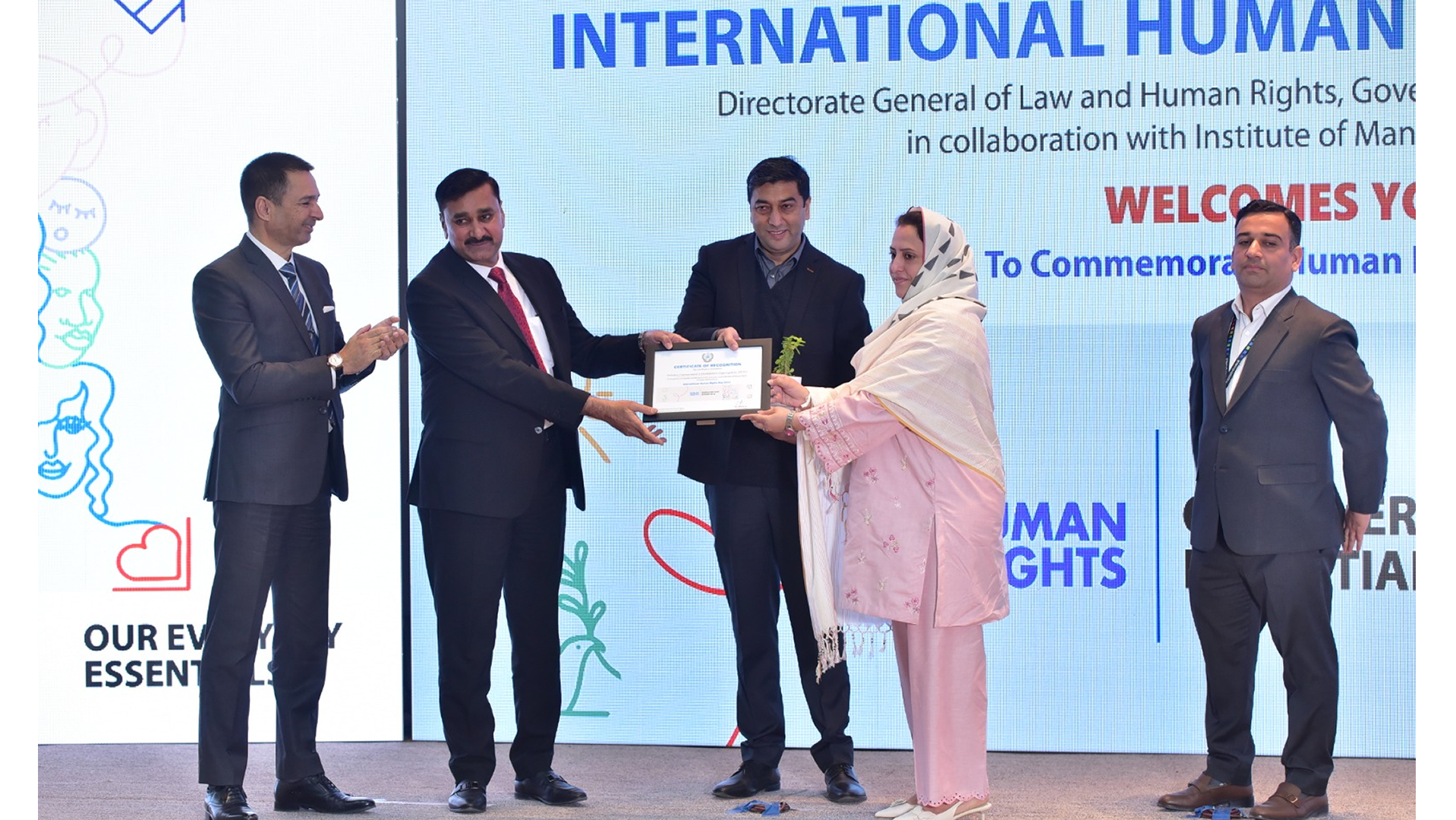
In recognition of its impactful work, PEDO was acknowledged by the Human Rights Department and received an appreciation certificate in collaboration with UNDP on the occasion of International Women’s Day. This recognition underscores the organization’s contribution to advancing women’s empowerment, human rights, and inclusive development.
Sustainability and Future Outlook
The EWAY-SL project has established a sustainable and replicable model for skills development and livelihood generation. By integrating certified training, toolkit provision, and employment linkages, the initiative ensures long-term impact beyond the project lifecycle.
PEDO aims to build on this success by scaling the model to additional districts, expanding partnerships, and introducing innovative components such as digital skills and green technologies.